
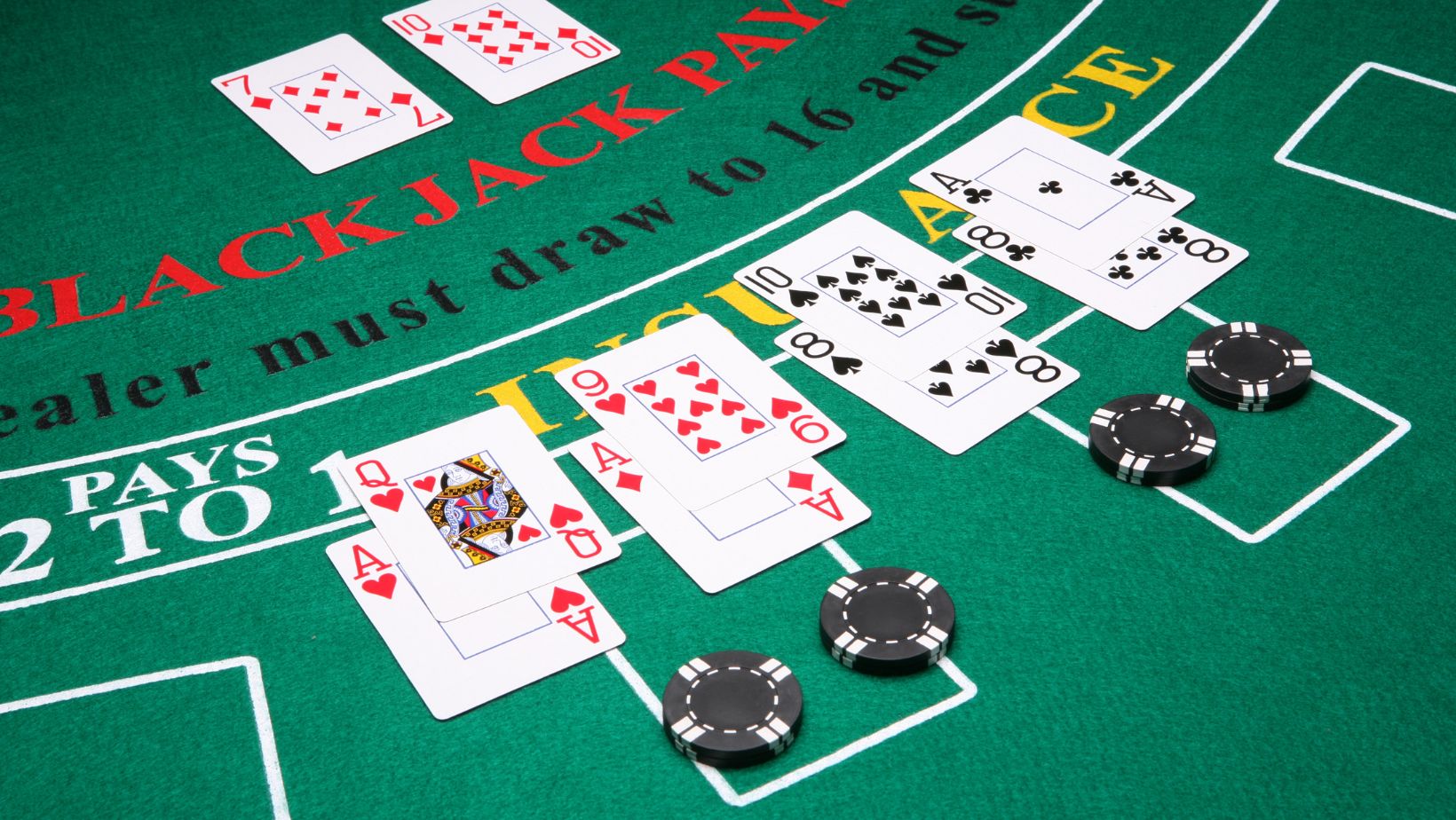
Loss aversion – a cornerstone of behavioural economics – is an explanation for why we feel the pain of losing much more than we do the pleasure of winning. It explains why players in online gambling often make riskier choices and hold long play sessions. Loss aversion is emotional decision-making and can make us do anything from overestimating our chances of recovery to doubling down after a loss, even when it doesn’t make logical sense. At platforms such as the casino at MrQ, it’s important to understand these drivers in order to create engaging and ethical experiences. Read on to find out how loss aversion operates in casino gaming environments – and how it can be managed through responsible design and player awareness.
Pain and pleasure: The psychology of loss aversion
Have you even wondered why losing £15 can feel twice as painful as winning £15 feels rewarding? It’s because humans are hardwired to avoid losses more than they seek equivalent gains. When it comes to gambling losses, this emotional imbalance makes players much more reactive – stress is heightened, impulsivity increases, and you find yourself driven by a strong desire to ‘make it back’ no matter what.

Chasing losses and risk escalation
Often, just one more spin can become too many. After a losing streak, players might raise their bets to try and recover their money. However, this behaviour of chasing losses can be a slippery slope leading to even more risk and deeper financial exposure. Once the emotional drive to erase losses overrides rational limits, entertainment becomes compulsion.
Game design that exploits loss aversion to keep players hooked

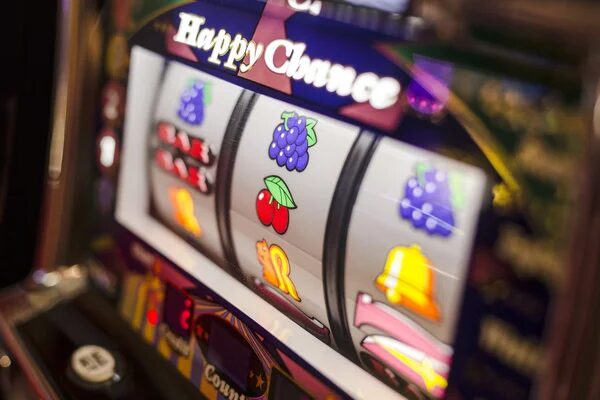
That game that you just can’t stop playing – it doesn’t happen by accident or a weakness on your part. Slot machines use psychological techniques like near-misses and small ‘win back’ sequences to keep players engaged. These micro-rewards trick the brain into believing that a win is just around the corner – and this reinforces play even when overall losses start piling up. The design capitalises on emotional momentum rather than financial logic.
Managing loss aversion through responsible play
Awareness through education is key to counteracting the cognitive bias that results from loss aversion. If a player understands their own risk tendencies, they can set realistic limits and know when to schedule in regular breaks from the game. Also, setting time limits and having a spending budget, along with viewing gaming as entertainment rather than a source of income, can help reframe the experience as healthy recreation rather than emotional compensation.
Loss aversion in online casinos: Balancing thrill with responsibility
Loss aversion isn’t just about the fear of losing money, it’s more about mindset. By recognising how this key psychological principle can often unconsciously shape decision-making, both players and platforms can foster gaming environments where excitement thrives without compromising control.