

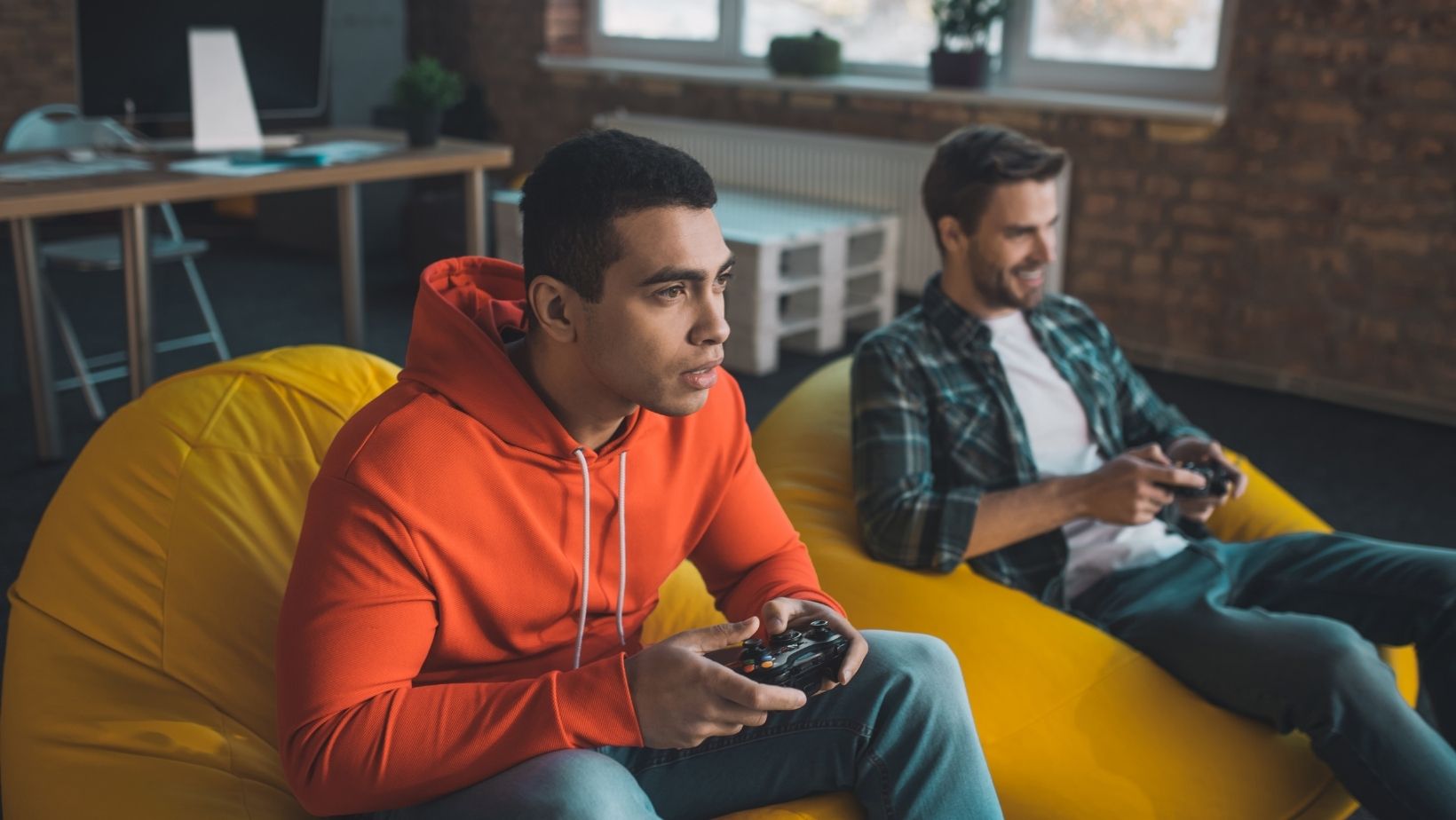
Gaming used to mean one thing: intense competition, lightning-fast reflexes, and the kind of adrenaline rush that left you physically exhausted after a session. But somewhere along the way, a quieter revolution began. Players started gravitating toward experiences that felt less like battles and more like breathing room. They wanted virtual worlds that didn’t demand perfection, games that welcomed them home rather than testing their limits. This shift gave birth to what we now call cozy gaming, and it’s rapidly evolving from a niche preference into a full-fledged lifestyle category.
The term “cozy gaming” might sound like marketing speak, but it represents something genuinely meaningful to millions of players. These are the games where you tend gardens instead of battlefields, where you fish by pixelated ponds instead of hunting enemies, where the biggest crisis might be deciding which wallpaper to hang in your digital cottage. Think Animal Crossing, Stardew Valley, Unpacking, or A Short Hike. The goals are gentle, the stakes are low, and the experience wraps around you like a favorite blanket.


What makes this movement particularly interesting is how it’s bleeding into other aspects of life. People aren’t just playing cozy games anymore. They’re building entire evenings around them, creating rituals that extend beyond the screen. Some players are pairing their gaming sessions with warm drinks and comfortable seating arrangements that would make interior designers proud. Others are incorporating products like those from Joy Organics into their wind-down routines, finding that certain hemp-derived options help them transition into that relaxed headspace where cozy gaming feels most immersive.
The Cultural Shift Behind the Pixels
To understand why cozy gaming has become more than just a genre, you need to look at what’s happening in the broader culture. We’re living through what many psychologists call an “exhaustion epidemic.” Work boundaries have dissolved as remote setups became standard. Social media turned socializing into performance art. Even our entertainment often feels like homework, with complex narratives that require wikis to follow and games that punish you for missing a day.
Cozy games arrived as an antidote to all of this. They don’t punish you for taking breaks. They don’t have battle passes that expire or daily login bonuses that guilt you into playing. There’s no fear of missing out because these games operate on your schedule, not theirs. You can plant turnips in your island garden today or next week, and those turnips won’t judge you either way.
This philosophy resonates particularly strongly with people who spend their days in high-pressure environments. The software developer who makes split-second decisions about system architecture finds genuine relief in spending an hour arranging furniture in a virtual home. The teacher who manages classroom chaos discovers peace in the predictable rhythms of a farming simulator. The healthcare worker processing trauma finds comfort in games where the worst thing that can happen is a slightly wilted crop.
The gaming industry noticed. What started as indie passion projects has expanded into a recognized category with its own conventions, dedicated streaming channels, and merchandise lines. Major publishers who once dismissed these “casual” experiences are now investing in cozy titles. Even gaming peripherals are adapting, with companies designing controllers and accessories specifically marketed toward comfort and extended, relaxed play sessions.
Building Routines Around Relaxation
Here’s where cozy gaming transitions from hobby to lifestyle: the rituals people build around it. Scroll through social media communities dedicated to these games, and you’ll find elaborate descriptions of personal routines. Someone might describe their evening setup in detail, mentioning the specific tea blend they brew, the particular corner of their home they’ve designated as their “cozy gaming space,” and the exact lighting conditions they prefer.
These aren’t just people playing games. They’re curating experiences. They’re being intentional about creating pockets of calm in their days. The game becomes the centerpiece of a larger practice of self-care and boundary-setting.
Many players report that this ritualization helps them actually disconnect from work and stress in ways that other activities don’t. There’s something about the combination of gentle interactivity and low stakes that allows their minds to genuinely rest. Unlike passive entertainment like television, cozy games give you just enough to do that you stay present. Unlike competitive gaming, they don’t spike your cortisol or leave you frustrated.
Some wellness-focused individuals have started incorporating hemp products into these routines. Products from Joy Organics and similar brands have found a natural home in cozy gaming culture, with players exploring how broad-spectrum or full-spectrum hemp extract might support their overall sense of calm during evening gaming sessions. The keyword here is “support.” These aren’t magic bullets, but rather components of a larger approach to winding down.
The routines often extend beyond the gaming itself. Players share recipes for comfort foods they prepare before settling in. They discuss sleep schedules and how their cozy gaming windows fit into broader efforts to maintain healthy rest patterns. They trade recommendations for ergonomic furniture, ambient lighting, and even scents that enhance the atmosphere. The game is the anchor, but the lifestyle category encompasses everything orbiting around it.
The Aesthetic of Comfort
Visual identity plays a huge role in why cozy gaming has become a lifestyle rather than just a pastime. These games have a distinct aesthetic that players actively incorporate into their physical spaces. Soft color palettes dominate. Earth tones, pastels, and warm lighting create environments that feel safe and inviting. The visual language speaks to a particular sensibility that values gentleness and accessibility.
This aesthetic has jumped from screens into homes. You can spot a cozy gamer’s living space by certain telltale signs: plants (real ones, not just virtual), string lights or warm-toned lamps, comfortable seating prioritized over formal arrangements, and often, displays of game-related merchandise that lean more toward art prints than action figures.
The fashion has followed suit. Cozy gaming culture embraces oversized sweaters, soft fabrics, and layers. It’s not about looking put-together; it’s about feeling comfortable. This stands in stark contrast to the flashy, logo-heavy aesthetic associated with competitive gaming culture. Where esports might demand branded jerseys and energy drinks, cozy gaming pairs better with handmade ceramics and herbal tea.
Interior design influencers have taken notice. Pinterest boards dedicated to “cozy gaming setups” accumulate millions of saves. These spaces prioritize comfort and personal expression over the typical gamer aesthetic of RGB lighting and minimalist desks. You’re more likely to see a reading nook that doubles as a gaming corner, with shelves full of books, a comfortable chair with good back support, and maybe some carefully chosen botanicals.
Community Without Competition
One of the most interesting aspects of cozy gaming as a lifestyle category is how it’s reshaped gaming communities. Traditional gaming culture can be notoriously toxic, with competitive environments breeding hostility and gatekeeping. Cozy gaming communities operate differently.
These spaces tend to be welcoming to newcomers, patient with questions, and generous with advice. The lack of competitive elements in the games themselves seems to foster this atmosphere. When there’s no leaderboard to climb, no ranked matches to win, people interact without the ego stakes that poison other gaming communities.
This shows up in how players share their experiences. Instead of highlight reels showing off skill, cozy gamers share screenshots of their virtual homes, their garden layouts, or quiet in-game moments that struck them as particularly peaceful. The currency isn’t achievement; it’s aesthetics and emotional resonance.
The community aspect extends into real life through meetups, craft circles, and even “cozy gaming cafes” that have started appearing in major cities. These spaces offer comfortable seating, low lighting, and an atmosphere designed for relaxed gaming. Some serve food and drinks, others incorporate elements like craft stations where visitors can engage in tactile hobbies between gaming sessions.
Online, Discord servers and subreddits dedicated to cozy gaming function less like typical gaming forums and more like support groups or hobby clubs. Conversations meander between game strategies, life updates, wellness tips, and recommendations for everything from skincare to furniture. The games provide common ground, but the communities that form around them become about much more.
The Intersection with Wellness Culture
Cozy gaming’s rise parallels and intersects with broader wellness movements. Both resist hustle culture. Both emphasize intentionality and presence. Both recognize that constant optimization and productivity aren’t sustainable approaches to life.
Many wellness practices that have gained traction in recent years pair naturally with cozy gaming. Mindfulness meditation teaches presence and non-judgment, skills that translate directly into enjoying games without goals. Gentle movement practices like restorative yoga emphasize listening to your body rather than pushing it, a philosophy that aligns with cozy gaming’s rejection of difficulty and punishment.
The hemp and CBD wellness space has found particular synergy here. As people explore natural approaches to supporting their overall sense of calm and balance, products containing hemp-derived compounds have become part of many cozy gamers’ routines. The key is that these products are viewed as supporting general wellness rather than addressing specific conditions, fitting neatly into the lifestyle approach that cozy gaming represents.
Sleep optimization is another wellness trend that meshes well with cozy gaming culture. Many players use these games specifically as part of their wind-down routine before bed. The gentle engagement helps transition from the day’s stresses without the stimulation that comes from more intense entertainment. Some pair this with other sleep-supporting practices, creating comprehensive evening routines designed to promote rest.
The emphasis on creating nurturing environments connects cozy gaming to broader conversations about mental health and self-care. While these games don’t treat or cure anything, they provide space for practices that support overall wellbeing. They give people permission to prioritize comfort and joy, which in our current cultural moment feels almost revolutionary.
Economics of the Cozy
The lifestyle category designation isn’t just cultural. It’s economic. Cozy gaming represents a market segment that companies across industries are learning to serve. Game developers obviously benefit, but so do furniture makers, beverage companies, wellness brands, and content creators.
Streaming has adapted to accommodate cozy gaming. While Twitch built its reputation on high-energy competitive gaming, there’s now a thriving subset of streamers who broadcast themselves playing cozy games in deliberately calm, quiet streams. These aren’t about flashy plays or dramatic reactions. They’re essentially digital hangout spaces where viewers come to relax alongside the streamer.
Some streamers have built this into comprehensive brand identities. They offer not just gaming content but lifestyle content built around the cozy aesthetic. This might include cooking streams, craft tutorials, or “get ready with me” style videos showing their pre-gaming routines. The game is one element in a broader identity centered on intentional, gentle living.
Merchandise has followed. Beyond standard game-related products, the cozy gaming market supports items like specially blended teas, comfort-focused gaming furniture, ambient lighting designed for relaxation, and even collaborations with wellness brands. The audience has proven willing to invest in products that enhance the overall experience, not just the game itself.
Publishers are investing in this market seriously. What was once dismissed as too niche or too casual is now understood as a demographic with significant spending power and deep engagement. These players might not buy every AAA release, but they’ll invest heavily in creating the perfect environment for the games they love.
The Future of Cozy
As cozy gaming continues to establish itself as a legitimate lifestyle category, several trends seem poised to shape its evolution. Technology will likely play a role, though perhaps not in the ways you’d expect. Virtual reality, for instance, could offer even more immersive cozy experiences, provided it can overcome the current barrier of requiring somewhat uncomfortable headsets.
More interesting is how cozy gaming might influence other forms of media and entertainment. We’re already seeing “cozy” descriptors applied to books, television shows, and even music. The aesthetic and philosophy are spreading beyond gaming into a broader cultural movement that values gentleness and intentionality.
The intersection with wellness will likely deepen. As both industries mature and research expands, we may see more sophisticated integration. Already, some developers are consulting with psychologists about game design elements that promote relaxation and positive mental states. Wellness brands are becoming more sophisticated in how they understand and serve gaming audiences.
There’s potential for cozy gaming to become more social without losing its essential character. Multiplayer experiences designed around cooperation rather than competition, shared virtual spaces for hanging out, and asynchronous gameplay that lets friends interact on their own schedules could all expand the category while maintaining its core values.
The lifestyle aspect will probably continue expanding. We may see more physical spaces designed specifically for cozy gaming, more events and gatherings built around the culture, and more crossover with adjacent movements in slow living, minimalism, and intentional technology use.
Making Space for Gentle
What cozy gaming ultimately represents is permission. Permission to play without pressure. Permission to value comfort over achievement. Permission to build routines around relaxation rather than productivity. In a culture that constantly demands more, faster, better, this feels genuinely countercultural.
The transformation from niche genre to lifestyle category reflects a broader hunger for alternatives to hustle culture. People are tired. They’re looking for ways to genuinely rest that don’t feel like giving up or checking out. Cozy gaming offers active relaxation, a way to be engaged and present without being stressed or competitive.
This is why the category has staying power. It’s not a trend responding to a temporary moment of stress. It’s addressing fundamental human needs for safety, comfort, and gentle pleasure that don’t disappear when circumstances change. As long as life remains demanding and overstimulating, there will be an appetite for experiences and lifestyles that offer respite.
The key to cozy gaming’s success as a lifestyle category is its holistic nature. It’s not just about the games themselves but about everything surrounding them. The rituals, the aesthetics, the communities, the products that support the practice, all of these elements work together to create something that feels complete and sustainable.
For someone just discovering this world, the entry point is simple: find a game that appeals to you, create a comfortable space to play it, and pay attention to what supports that experience. Maybe that involves certain beverages or snacks. Maybe it includes particular lighting or seating. Maybe it incorporates wellness products that help you transition into a relaxed state. The specifics matter less than the intention behind them.
Cozy gaming as a lifestyle category isn’t about consuming products or following rigid rules. It’s about recognizing that how we spend our downtime matters, that we can be intentional about creating experiences that truly restore us, and that sometimes the most revolutionary thing we can do is allow ourselves to be gentle. In a world that rarely grants that permission, these quiet games and the culture around them offer something genuinely valuable: space to simply be, without pressure or judgment or the need to prove anything at all.