
When we use our phones or computers, we almost always stick to the default method of video output. Phones already have a screen, so those naturally make sense. Computers have specially designed monitors for their platforms, so these are similarly easy choices. These choices can be limiting, however. While not always true, there are cases where TVs can offer potential that traditional viewing options do not.
This kind of pairing of a smartphone or a desktop to a TV screen isn’t something we often think about, but for the right person and the right use case, it can be a perfect fit. At the very least, it’s worth looking at the pros and cons to see extra enjoyment you might be able to squeeze out of your gaming experiences.


Starting with the Downsides
Before exploring all the potential positives on offer, it’s important to be honest about the limitations you can expect from TVs. These will vary by user and the types of experiences you typically engage in.
This big issue here is that if you’re into fast-paced action and high response times, then TVs can fall behind smartphones and desktop monitors. Many modern smartphones and monitors are rated at or above 90Hz output, whereas most TVs cap out at 60. In addition to a slight display lag inherent to signal transmission, this can create issues where you feel disconnected from the action. At worst, in high-speed titles, this can actually hurt your play performance.
The Potential of TVs
TV’s stand out in several key ways, and again, use case is key. In general terms, if you’re into playing titles that don’t require split-second reaction times, then you’ll have access to all the advantages that TVs produce. Refresh rate and lag aren’t so important here, so you focus far more on playing.
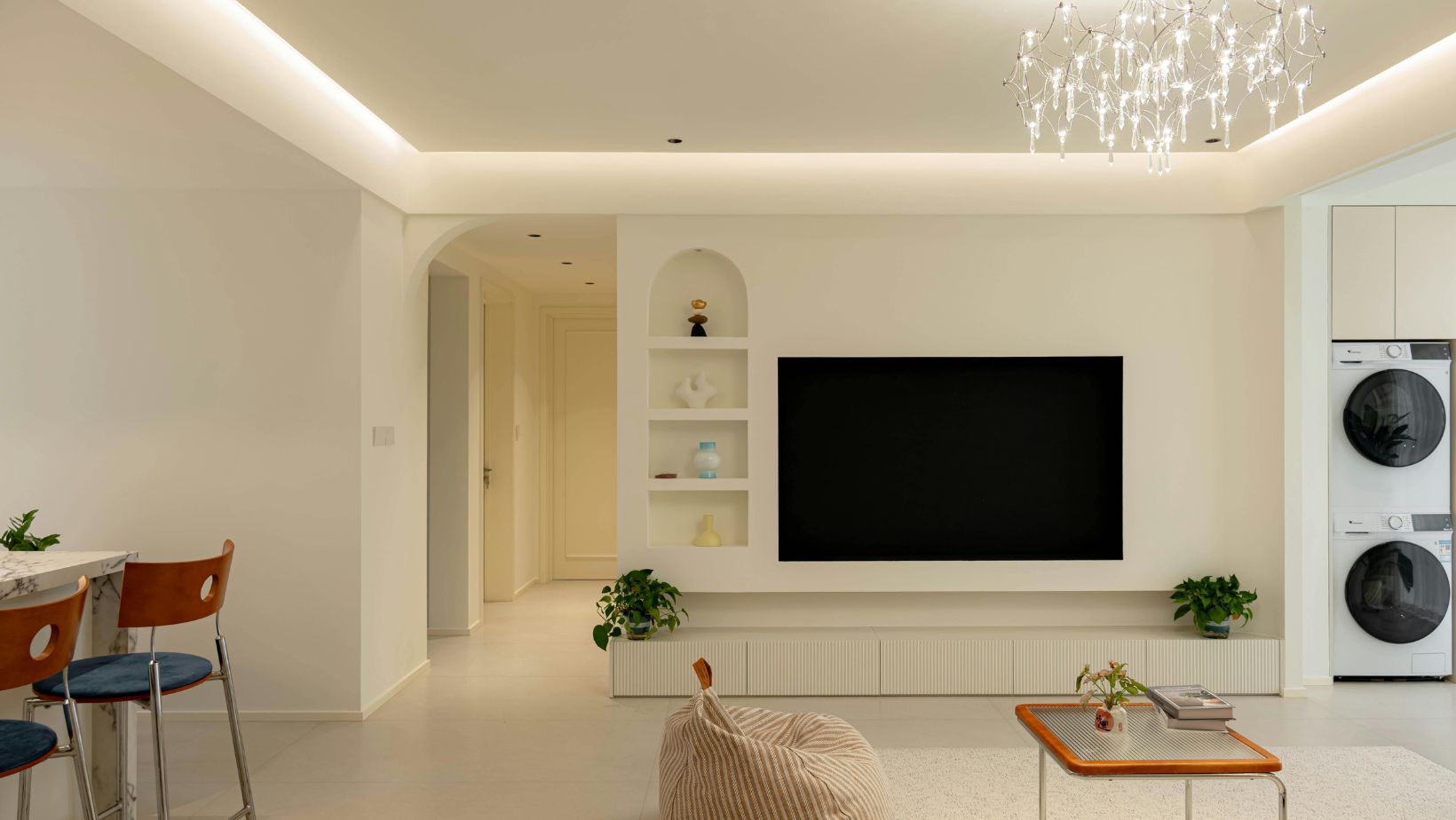
More directly, the advantages stem from the larger screens that are more available on today’s TVs. A phone screen is naturally small, and computer monitors become prohibitively expensive at larger sizes. Large TV screens are relatively inexpensive and can offer extremely high-quality displays, no matter your content.
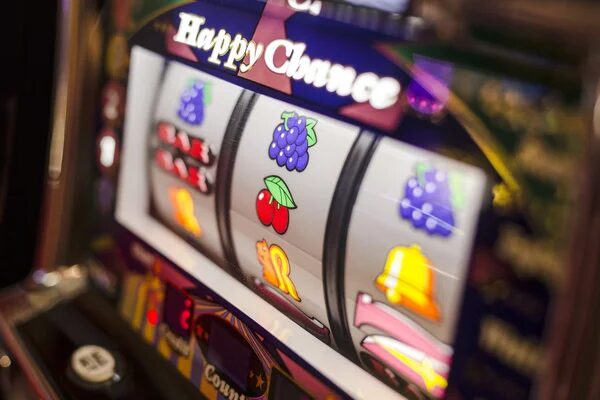
Consider an example where you’re playing a live casino UK game on a smartphone or monitor. These titles, like Prestige Roulette Live and Speed Blackjack Live, are already engaging on smaller screens, so many players could appreciate what a larger display presents. The gameplay would remain as streamlined, you’d just be able to see better, which is especially important in a series of games aimed at bringing the feel of a physical casino into your home.
Turn-based games might even present advantages when played on a larger screen. With more space, you might spot elements you missed on smaller displays, letting you make more informed decisions, or at least avoid errors you’d otherwise commit.
Perhaps the best thing about connecting your phone or computer display to a TV screen is that it’s inexpensive or even free to try. If you’re on a computer, a cheap HDMI cable will get the job done. If you’re using a smartphone, screen mirroring software is built into many modern TV operating systems. Even if this approach ends up not being for you, the low barrier to entry makes it worth checking out if you’re open to exploring new gaming horizons.