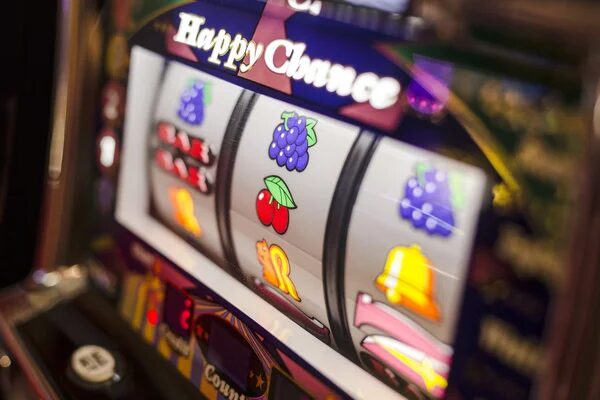


In modern online gaming ecosystems, bonus systems are not just optional perks—they are carefully designed mechanisms that influence how players interact with games, make decisions, and stay engaged over time. To understand this dynamic, it’s useful to explore concepts like Why Online Casino Bonuses Exist in Modern iGaming, which highlight how rewards are integrated into broader engagement strategies rather than functioning as simple giveaways.
At a fundamental level, bonus systems operate on principles borrowed from behavioral psychology. Rewards—whether in the form of free spins, in-game currency, or progression boosts—trigger a sense of achievement and anticipation. This creates a feedback loop where players are encouraged to continue playing in order to unlock further benefits. The structure is not random; it is intentionally built to balance challenge and reward in a way that maintains attention without overwhelming the user.


One of the most influential factors is perceived value. Players are more likely to engage when they feel they are receiving something extra, even if the actual value is modest. This perception can significantly impact decision-making. For example, a player might choose one platform over another simply because it offers a more appealing bonus structure, even if the core gameplay is similar. In this sense, bonuses act as differentiators in a crowded market.
Another key element is timing. Bonuses are often delivered at strategic moments—upon registration, after periods of inactivity, or during specific gameplay milestones. These timing strategies are designed to either attract new users or re-engage existing ones. When executed effectively, they reduce churn and extend the lifecycle of a player within a platform.
Gamification also plays a central role in how bonus systems shape behavior. By integrating rewards into progression systems—such as levels, achievements, or missions—developers transform passive incentives into active goals. Players are no longer just receiving bonuses; they are working toward them. This shift from passive to active engagement increases emotional investment and strengthens long-term retention.
In high-volume digital environments, data analytics further refines how bonuses are deployed. Platforms track user behavior in real time, identifying patterns such as session length, preferred game types, and spending habits. This data allows for personalized bonus offers that feel more relevant to individual players. Personalization not only improves user experience but also increases the effectiveness of reward systems.
There is also a social dimension to consider. In some cases, bonus systems are tied to community features, such as leaderboards or shared challenges. These elements introduce a competitive or collaborative aspect, encouraging players to stay engaged not only for personal rewards but also for social recognition. This layer adds depth to the overall experience and reinforces habitual play.
However, the influence of bonus systems is not purely positive. Over-reliance on incentives can shift player focus away from the core gameplay, making the experience feel transactional rather than entertaining. This is why the most effective systems are those that complement the game rather than dominate it. The goal is to enhance engagement without undermining the intrinsic appeal of the game itself.
From a design perspective, successful bonus systems are those that align with user expectations while subtly guiding behavior. They must be transparent enough to build trust, yet dynamic enough to remain engaging. As online gaming continues to evolve, the sophistication of these systems will likely increase, blending psychology, data, and design into increasingly seamless experiences.
In essence, bonus systems are not just features—they are strategic tools that shape how players interact with digital games, influencing everything from first impressions to long-term loyalty.