For a long time, bigger felt like the safest promise in gaming. Bigger maps, longer campaigns, more icons on the screen, and hundreds of hours of possible play were treated as clear signs of value. That logic still works for some players, but it is no longer the default. In 2026, more people are actively looking for smaller games and tighter worlds because those games often fit real life better and respect the player’s time.
A game can feel rich without being massive. A world can feel memorable without stretching across an oversized map. Many players now care less about how much space a game takes up and more about how well that space is used.


From Abundance to Overload
A lot of modern games offer plenty to do, but that does not always mean they offer plenty worth doing. Players have become more aware of the difference between meaningful content and repeated busywork. Large worlds can look impressive at first glance, yet they often come with copied objectives, long travel times, and side tasks that exist mainly to pad the runtime.
Smaller games tend to make choices more carefully because they have less room to waste. A shorter campaign usually has to get to the point sooner. A compact map usually needs stronger layout, better pacing, and more distinct locations. That can create a cleaner experience where each hour feels like it matters.
When players open a smaller game, they usually understand what kind of commitment they are making. That matters more now than it did a few years ago.
Time Has Become the Real Scarcity
Players do not have unlimited time. Many people who love games are balancing work, study, family life, or several hobbies. Even dedicated players are often choosing where to spend their limited free hours. In that setting, a 12-hour game can look far more appealing than an 80-hour one.
Shorter games also solve a common problem that many players know too well. If a game takes too long to get going, it is easy to drift away from it. Once that happens, returning can feel difficult. You forget the controls, lose the thread of the story, and no longer remember why you were collecting half the items in your journal. Smaller games reduce that friction. They are easier to start, easier to stick with, and much easier to finish.
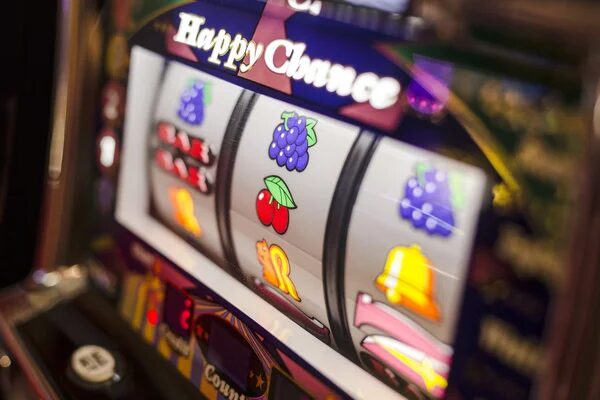
That change in behaviour is visible across the wider entertainment world too. People move between films, streaming series, live service games, social apps, and short videos all day long. That helps explain why some people now mix a focused indie game with lighter forms of play, or take a moment to check out a review & free demo microgaming slots before deciding how much time they want to invest that evening.
Smaller Worlds Often Feel More Alive
Smaller worlds often feel denser, more believable, and easier to care about. A compact setting can guide the player through memorable spaces with less dead air between them. Instead of riding across empty land for ten minutes, you move from one interesting area to the next with a clear sense of place.
Players tend to remember a world because it had striking landmarks, smart level design, strong atmosphere, and things that rewarded curiosity. They do not remember it fondly just because the map was huge. In fact, oversized spaces can weaken that sense of place. When every region has a similar outpost, cave, or collectible, the world starts to blur together.
Smaller worlds also help developers focus on detail. Streets can feel busier and interiors can be more distinct. Encounters can be placed with more care. The result is often a game that feels authored rather than inflated.
Players Want More Finished Experiences
A game that gets finished often leaves a stronger impression than one that is abandoned halfway through, even if the unfinished game had more content on paper. Many now prefer a game they can complete over one they admire from a distance and never actually see through.
A shorter, sharper game can feel like better value than a bloated one because the player actually experiences the best parts of it. They get the full arc, the ending, and the satisfaction of closure.
Smaller games also make it easier to try more things. Instead of spending three months on one enormous title, players can finish several different games across genres and moods.

What This Means for Games in 2026
There will always be players who want a vast role-playing game or a long-term sandbox. The difference in 2026 is that scale alone no longer wins the argument.
That change is healthy for the medium. It pushes developers to think harder about scope, pacing, and purpose. Bigger is easy to advertise, but better is harder to build. Smaller games often succeed because they are clearer about what they want to be. That is why tighter worlds are starting to feel more exciting than oversized ones.