

You might find yourself settling onto the sofa after a long day, reaching not for the remote to scroll through endless streaming menus, but for a controller or a smartphone. This shift in the popularity of gaming amongst adults represents a massive sea change in how we spend our quiet hours.
The Shift in Leisure Culture
The stereotype of the typical teenage gamer has finally changed under the weight of actual data. In 2025, Statista reported that 41% of people aged 55-64 are ‘gamers’, marking a huge increase over the last decade for the same age group.


The technology on offer today means you are engaging with a sophisticated medium that offers more depth than a passive sitcom. Adults treat these platforms as legitimate interactive entertainment, valuing the agency they provide over the simple observation required by a book or a film.
A Digital Sanctuary for Stress Relief
Gaming operates on clear, logical rules that the real world frequently lacks.
When you dive into a session, you enter a flow state where the outside noise fades, replaced by immediate goals and achievable victories. This micro-escapism acts as a mental reset button.
To get the most out of this, you could dedicate twenty minutes specifically to a low-stakes title before you even look at your evening chores, allowing your brain to transition from work-mode to rest-mode through active engagement rather than sluggish exhaustion.
Maintaining Cognitive Agility
Passive doom-scrolling through social media feeds often leaves you feeling drained, yet a complex puzzle or a fast-paced strategy game does the opposite.
You likely notice a specific kind of internal spark when you finally decode a difficult pattern or master a tricky mechanic.

You can actively sharpen your focus by alternating between different genres, ensuring you don’t just rely on muscle memory but instead keep your problem-solving skills versatile.
The Evolution of Social Spaces
The local pub or the community hall has shifted into the virtual lobby. For many, catching up with a friend happens while navigating a shared digital map rather than sitting across a physical table. These spaces allow you to maintain vital social bonds without the logistical nightmare of planning a night out weeks in advance.
Try scheduling a recurring night once a week to ensure you remain connected to your social circle through these shared digital experiences.
The Power of Nostalgia and Familiarity
There is a distinct comfort in the predictable mechanics of a classic format. You gravitate toward these experiences because you already know the language of the game, so there is no steep learning curve to climb.
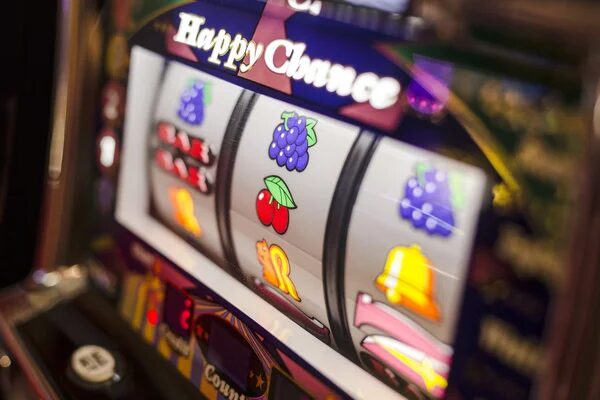
Modern versions of these classics, such as online arcade games, tap into your nostalgia, blending high-definition visuals with the same tactile satisfaction you felt years ago.
When you feel particularly overwhelmed by new technology or complex life changes, returning to a familiar game style provides a grounding influence that helps you decompress through the simple joy of a known routine.