

If you’ve spent any time in Rust, you know that skins are collectibles, status symbols, and in some cases, real cash in disguise. That rusty AK skin you snagged in a drop or that limited-edition outfit you’ve been holding onto? With the right strategy, those virtual items can actually put money in your pocket.
But selling skins isn’t as simple as listing them and hoping someone bites. Prices fluctuate, demand shifts, and the market is full of pitfalls for the unprepared. Some platforms lock your earnings to Steam wallet funds, while others can leave you exposed to scams if you’re not careful.


This guide dives deep into the most effective ways to sell RUST skins for real money. You’ll learn how to sell RUST items for real money, get step-by-step instructions for Steam, third-party marketplaces, and peer-to-peer trades, plus tips on using bots, timing your sales, avoiding scams, and maximizing profit. Read on!
What Are RUST Skins?
RUST skins are cosmetic items in Rust that change how your in-game gear looks, nothing more, nothing less. They don’t boost damage, durability, or stats, but they matter a lot to players who care about style, collecting, or trading. Some people just want their weapons to look better, while others treat skins almost like digital collectibles.
Cosmetic items
You can apply skins to a lot of items, guns like the AK or LR, tools, doors, boxes, and clothing. There’s a huge range of styles too: clean and realistic, bright and flashy, or just straight-up weird. Over time, certain skins become recognizable, and players will instantly know if you’re carrying something valuable.
Rare vs. common skins
Most skins are easy to get and stay cheap forever. But some are only available for a short time in the store or come from older rotations that never return. Those are the ones that become rare.
- Common skins: easy to find, low demand, usually very cheap
- Rare skins: limited availability, fewer owners, harder to buy
- Older skins: often increase in value simply because they’ve been off-sale for years
The gap between common and rare skins can be huge, some cost cents, others can go for serious money.
How Skin Rarity Affects Price
Rarity is basically the backbone of skin pricing. If there aren’t many copies of a skin and people want it, the price goes up, it’s that simple. But in practice, a few different factors stack together. For example, small perks like a Shuffle promo code can give buyers extra credits or bonuses, which can influence demand and make certain rare items even more desirable on the platform.
Limited supply
A lot of skins are only sold for a week in the item store. After that, no new copies enter the market.
- If not many players bought it at release, supply stays low
- Over time, some skins get “locked away” in inactive inventories
- Fewer listings = higher prices when someone actually wants to buy
High demand
Not all rare skins are valuable, people have to actually want them. Demand usually comes from:
- Clean or unique designs that stand out in-game
- Skins tied to popular creators or themes
- Items that look good on commonly used gear (like AKs or metal doors)
When demand spikes, especially after a skin is no longer available, prices can jump pretty fast.
Statistical rarity
Some skins just don’t show up often, even on big marketplaces. That creates a kind of “perceived rarity.”
- Low listing volume makes items feel more exclusive
- Owners may hold instead of selling, reducing circulation
- Hard-to-find skins often get treated as collector items
This is usually why you’ll see certain skins slowly climb in value over months or even years.
Checking the Market Value
Before selling anything, you need to know what your skin is actually worth, not what you think it’s worth. Prices move all the time, and there’s often a gap between listed prices and real sales.
Steam Community Market
This is the default starting point for most people. It’s easy to use and gives you solid baseline data.
- Check recent sales, not just current listings
- Look at how often the item sells (fast vs. slow market)
- Use it to understand general demand
Just keep in mind: Steam prices are usually higher because the money stays in your Steam wallet, you can’t cash it out directly.
Third-party price tracking websites
If you’re planning to sell for real money, these are just as important. They give a more realistic picture of cash value.
- Show price history so you can spot trends
- Compare prices across multiple marketplaces
- Help you see the gap between Steam value and real-money value
It’s pretty common to see a skin listed for $20 on Steam but only sell for $12–15 in cash. Checking both sources helps you price your skin properly and avoid leaving money on the table.
Methods to Sell RUST Skins
When selling skins from Rust, the method you choose really depends on your goal. If you want safety, there’s a clear option. If you want real money, you’ll need to go outside Steam. And if you care about squeezing out every bit of value, you’ll probably end up combining multiple methods.
Selling on the Steam Community Market
Selling through Steam Community Market is the most beginner-friendly option because everything happens inside Steam.
- Go to your Steam inventory
- Click on the skin you want to sell
- Press the “Sell” button
- Enter your price and review what you’ll receive after fees
- Confirm the listing using Steam Guard
Once your item is listed, it sits in the market until someone buys it. When it sells, the money is instantly added to your Steam wallet. One thing people often overlook is pricing, if you list slightly cheaper than others, your item usually sells much faster.
| Pros | Cons |
| Very safe, built into Steam | Funds are locked to Steam wallet (no cashout) |
| No need to trust external sites | Steam takes a percentage fee |
| Large user base means strong demand | Prices don’t reflect real cash value |
| Simple and fast to list items | No negotiation or flexibility |
| No scam risk at all | Useless if you want actual money |
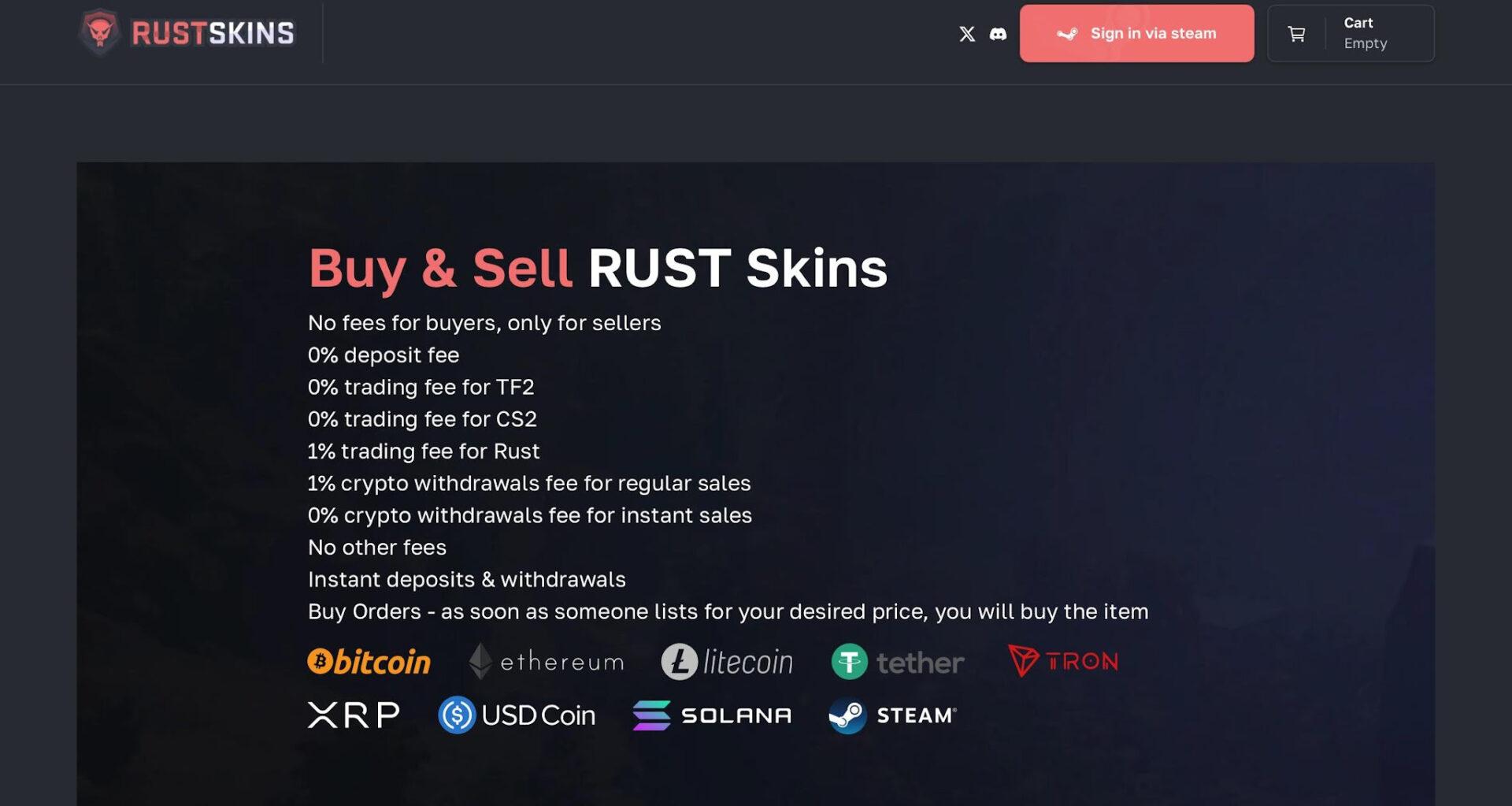
Using Third-Party Marketplaces
These platforms are designed for one thing, turning skins into real money. They sit between you and the buyer and handle the transaction securely.
Steps to create an account and sell skins
- Sign up and log in using your Steam account
- Add your trade URL
- Deposit your skins to the platform’s bot
- Set your price or accept an instant offer
- Wait for a buyer or complete the sale
- Withdraw your money after the sale
These marketplaces usually show more realistic “cash prices,” which are often lower than Steam but actually withdrawable.
| Pros | Cons |
| Real money payouts instead of wallet funds | Platform fees reduce profit |
| Prices reflect actual cash value | Requires account setup |
| Safer than direct trading on trusted sites | Withdrawal delays can happen |
| Flexible selling options | Risk if using unknown platforms |
| Good balance between safety and profit | Some payout methods may be limited |
Peer-to-Peer Trading
This method removes the middleman completely. You find a buyer yourself and trade directly, which is why many experienced traders prefer it.
- Always double-check Steam profiles and trade links
- Never trust screenshots as proof
- Avoid going first unless the buyer is trusted
- Watch for impersonators copying real traders
- Be cautious with middlemen unless verified
- Don’t rush deals under pressure
The biggest advantage here is pricing. Without platform fees, you can offer better deals and still earn more, but that comes with higher risk.
| Pros | Cons |
| No fees means higher profit | Highest risk of scams |
| Full control over pricing | Takes time to find buyers |
| Direct negotiation possible | No protection system |
| Can achieve best possible prices | Requires experience |
| Flexible deals and bundles | Not beginner-friendly |
Automated Skin Selling Bots
Bots are the fastest way to sell skins. Instead of waiting for a buyer, you sell instantly at a fixed price.
- Choose the skin you want to sell
- View the bot’s offered price
- Accept the offer
- Send the trade through Steam
- Receive payment almost instantly
| Pros | Cons |
| Instant sales with no waiting | Lower payouts than other methods |
| Very simple process | No control over pricing |
| No need to find buyers | Built-in margin reduces profit |
| Great for quick cashouts | Not ideal for rare skins |
| Minimal effort required | Can undervalue high-demand items |
Maximizing Profit from Skin Sales
If you’re serious about making real money from skins in Rust, the difference isn’t just where you sell, it’s how you play the market. A lot of sellers lose money simply because they rush, misread demand, or fall for avoidable mistakes. This section is about tightening all of that up so you consistently get better results.
Timing Your Sale
- Prices tend to rise when a skin suddenly gets attention from the community
- Game updates can shift demand toward specific weapons or items
- Seasonal events or sales can temporarily flood the market with listings
- Older skins often increase slowly over time due to shrinking supply
- Prices can drop when many players try to sell at the same time
Timing is one of the most underrated parts of selling skins. A lot of people just list their item the moment they decide to sell, but that’s not always the smartest move.
For example, when an update makes a certain weapon more popular, skins for that weapon often see a short-term demand spike. The same thing happens when a well-known content creator showcases a skin, suddenly more people want it, and prices can jump.
On the other hand, there are bad times to sell. Big Steam sales, for example, often cause players to liquidate skins to buy games. That increases supply and pushes prices down. If you sell during that window, you’re competing with a lot of undercutting. The general idea is simple:
- Don’t sell during panic or oversupply
- Pay attention to demand spikes
- If a skin has long-term value, holding it can pay off
Even waiting a week or two can sometimes make a noticeable difference in price.
Bundle Sales vs. Individual Sales
- Bundling helps move multiple low-value skins quickly
- Buyers expect a discount when purchasing in bulk
- Individual listings usually maximize profit per item
- Rare skins perform better when sold separately
- Bundles are useful when speed matters more than profit
This is where a lot of sellers leave money on the table without realizing it. The way you group (or don’t group) your skins directly affects how much you earn.
If you’re dealing with cheap skins, selling them one by one can be slow and honestly not worth the effort. In that case, bundling them together makes sense, you lower the price slightly, attract bulk buyers, and move everything faster.
But the mistake people make is bundling everything, including valuable items. That’s almost always a loss. Rare skins attract specific buyers who are willing to pay more, and bundling them with random items usually forces you to discount the whole package. A smarter approach looks like this:
- Sell high-value skins individually for maximum return
- Bundle low-value or slow-moving skins to save time
- Avoid mixing rare items into discounted bundles
| Pros | Cons |
| Faster sales for multiple items | Requires discounting to attract buyers |
| Good for clearing low-value inventory | Lower profit per item |
| Appeals to bulk buyers | Rare skins lose value in bundles |
| Saves time vs. listing items individually | Harder to price fairly |
| Useful for quick cashouts | Less control over individual pricing |
Avoiding Common Scams
- Use established marketplaces with a proven track record
- Check user reviews and community feedback before trusting a platform
- Always verify the website URL to avoid phishing clones
- Avoid unknown sites offering unusually high payouts
Scams are a real part of skin trading, especially once real money is involved. The easiest way to stay safe is to reduce exposure, stick to platforms that are widely used and trusted. Most problems happen when people try to chase slightly better prices on sketchy sites.
- Escrow systems hold items or funds until both sides complete the deal
- Common on marketplaces but rare in direct trades
- Reduces the risk of one party backing out or disappearing
- Only trust escrow built into legitimate platforms
Escrow is basically your safety net. If you’re ever dealing with higher-value skins, using a system that guarantees both sides follow through is a big advantage. Without it, you’re relying entirely on trust.
Red flags in peer-to-peer trading
- Buyers pushing you to act quickly or “right now”
- Offers that are significantly above normal market value
- Requests to move off trusted platforms to private chats
- Fake profiles copying legitimate traders
- Refusal to verify identity or reputation
Most scams aren’t sophisticated, they rely on pressure, distraction, or overpromising. For example, someone offering more than market value is almost always setting up a scam. The goal is to get you to ignore basic checks because the deal looks too good. The safest mindset is simple:
- If something feels rushed, slow it down
- If something feels off, double-check it
- If something looks too good, assume there’s a catch
Tips for Long-Term Skin Selling Success
Selling Rust skins isn’t just about making a quick buck. The players who consistently profit treat it like a small business, carefully tracking the market, building trust, and managing risk. If you want to turn skin trading into a reliable side hustle, or just make sure you’re not leaving money on the table, these strategies will help.
Track Prices Regularly
- Skin values fluctuate constantly based on supply, demand, and in-game events.
- Monitor multiple sources, including the Steam Community Market, third-party marketplaces, and price tracking websites.
- Keep a record of the price history for skins you own or plan to sell.
- Identify patterns, such as spikes in demand after game updates, special events, or influencer exposure.
- React strategically: sell when demand peaks, and hold when prices are low to maximize profit.
Regular price tracking helps you avoid common mistakes. Many sellers panic and list their skins when prices dip, only to watch the value rise shortly after. Conversely, noticing trends lets you anticipate profitable moments, like when a skin becomes popular due to a streamer showcasing it or a patch making the associated weapon more relevant. Over time, this approach can add up to significantly higher profits.
Build a Reputation as a Trustworthy Seller
- Always be honest and transparent about the skins you’re selling.
- Avoid shortcuts or risky deals that could compromise your reputation.
- Respond promptly to buyers and provide clear instructions or trade confirmations.
- Stick to fair and consistent pricing to build credibility.
A good reputation pays off in the long run. Buyers are more likely to return to sellers they trust, and positive word-of-mouth can open doors to high-value peer-to-peer trades. On platforms like Discord, Reddit, and trading forums, reputation is everything, once you’re known as reliable, you’ll have access to deals that inexperienced sellers might never see. Over time, a strong reputation reduces stress and makes selling smoother, especially for expensive or rare skins.
Diversify Where You Sell to Reduce Risk
- Don’t rely on a single platform for all your sales.
- Use multiple channels, such as Steam Community Market, third-party marketplaces, and peer-to-peer trading.
- Spread your inventory across different platforms to protect against fee changes, bans, or downtime.
- Adapt your strategy based on each platform’s strengths: marketplaces for steady sales, bots for fast cash, and peer-to-peer trades for high-value items.
Diversification protects you from sudden changes in the market. For example, if Steam raises fees or restricts listings, having accounts on other platforms ensures you can still sell your inventory. Likewise, peer-to-peer contacts can give you access to buyers willing to pay more for rare skins. By not putting all your eggs in one basket, you maintain control over your business and reduce the chance of being caught off guard.
Conclusion
Selling Rust skins can be both enjoyable and profitable if approached strategically. Whether you choose the security of the Steam Community Market, the flexibility of third-party marketplaces, the negotiation potential of peer-to-peer trades, or the speed of automated bots, each method has its place depending on your goals and comfort level.
Above all, security should always come first. Verifying websites, checking trade URLs, using escrow when available, and avoiding deals that feel rushed or too good to be true will help protect your inventory and earnings. Pairing this caution with careful research, tracking prices, understanding trends, and observing demand, allows you to make informed decisions about when and how to sell.
Ultimately, patience, knowledge, and safe trading practices are what separate successful sellers from those who leave money on the table. With the right approach, selling RUST skins can be a steady, profitable, and low-risk venture over the long term.