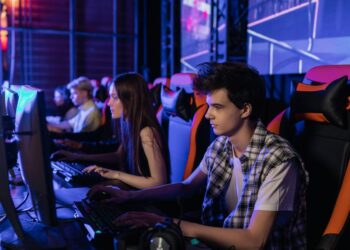


Have you ever noticed how some online games feel less like a plain bet and more like a small show on your screen?
That is one reason many people see these games as a form of entertainment, not just a matter of luck. The lights, sounds, quick rounds, themes, and simple rules all work together to create a playful feeling.


At the same time, it is important to understand the full picture. These games still depend on chance. No player can fully control the result. So, the best way to look at them is with clear thinking. They may feel fun and lively, but they should always be played with limits, awareness, and a calm mind.
The Shift From Plain Chance To Digital Fun
Earlier, slot games were mostly simple. A person placed a bet, waited for the result, and moved on. Today, online games have changed how people experience that same idea. The focus is not only on the result. It is also on what happens before, during, and after each round.
The screen, animation, music, and theme make the activity feel more like casual digital entertainment. This is why many players do not see it as only a win-or-lose activity. They may see it like watching a short video, playing a mobile game, or passing time after work.
Visuals Make The Experience More Lively
A major reason these games feel entertaining is their visual style. Bright colours, moving symbols, character-based themes, and smooth effects keep the screen active. Even when the outcome is random, the presentation makes each round feel fresh.
For example, some games use festival themes, food themes, adventure themes, or simple cartoon-style graphics. These small creative touches make the activity feel familiar and light. A player may enjoy the look and feel even before thinking about the result.
The visuals also create rhythm. The screen does not stay still. Symbols move, effects play, and small changes appear after each round. This makes the experience feel active, even though the result is still based on chance.
Sound Adds Emotion To Every Round
Sound plays a big role in how people feel during digital play. Small music clips, button sounds, win sounds, and background tunes can make the experience feel more exciting. Even a small result may feel bigger because of the sound effect attached to it.
This is similar to many mobile apps and casual games. Sound gives feedback. It tells the player that something has happened. It keeps the mind involved. Without sound, the same activity may feel flat and less interesting.
But sound can also make people feel more involved than they planned. So it is good to stay aware. Enjoying sound and visuals is fine, but decisions should still be based on budget and time, not on mood.
Themes Create A Story-Like Feeling
Themes are one of the biggest reasons chance-based games feel more entertaining today. A plain result screen may not hold attention for long. But when a game has a theme, it gives the player something to look at and connect with.
Themes can be based on festivals, animals, travel ideas, food, fantasy, sports, or daily life. These creative settings make the screen feel more personal and enjoyable. They add a story-like layer, even when the actual result remains random.
Familiar Themes Feel Comfortable
People often enjoy themes that remind them of things they already know. A colourful celebration theme, for example, may feel warm and familiar. A food-based theme may feel light and funny. A nature-based theme may feel calm.
This comfort matters because entertainment is not only about winning. It is also about mood. If the theme feels pleasant, the user may enjoy the time spent on the screen.
In India, many people are used to colourful apps, festive visuals, and music-rich digital content. So, a game with strong theme work can feel closer to general entertainment than a plain chance activity.
Small Rewards Feel Like Feedback
In many digital games, small wins, effects, and animations act like feedback. They tell the player that the round had some result. This feedback can feel satisfying, even when the amount is small.
It is similar to how mobile games give points, badges, or progress signs. These small signals keep the mind interested. They make the experience feel active and responsive.
However, feedback should not be confused with control. A nice animation does not mean the player has changed the odds. It only presents the result in a more lively way.
Chance Still Remains At The Core
Even though these games feel entertaining, chance is still the main factor. The result is not based on skill in the same way as chess, cricket, or a quiz. A player may choose when to play and how much to spend, but the outcome is not fully in their hands.
This point is important for balance. Entertainment value can make the activity enjoyable, but it should not hide the nature of the game. Clear understanding helps people enjoy the format without wrong expectations.
Random Results Need Realistic Thinking
Every round has an uncertain result. A previous round does not promise what will happen next. A person may feel that a win is “due” after many losses, but that is not a safe way to think.
Good judgement means accepting randomness. One round may give a result. Another may not. There is no fixed pattern that a normal player can depend on.
This is why planning matters. A user should decide limits before starting, not after getting carried away. Setting a fixed amount and time can make the experience more controlled.
Entertainment Should Not Turn Into Pressure
When any activity involves money, pressure can slowly enter. A person may want to recover a loss or continue because the next round feels close. This can reduce the fun and make the activity feel heavy.
A healthier way is to treat it like paid entertainment. For example, when people pay for a movie ticket or snacks, they do not expect money back. If a person keeps that mindset, it becomes easier to stay calm.
Taking breaks also helps. A short pause can make decision-making clearer. It reminds the player that the screen is only one part of the day, not the whole focus.
Why The Entertainment Feeling Is So Strong
The entertainment feeling comes from a mix of design, speed, sound, and human psychology. People like quick feedback. They like colour. They like movement. They like simple actions that give instant response.
Online platforms understand these habits. That is why many games are made to feel smooth, casual, and visually active. The aim is to hold attention through experience, not only through results.
The Brain Enjoys Fast Feedback
When an action gives an instant response, the brain notices it. Pressing a button and seeing movement right away feels satisfying. This is common in many digital activities, from social media likes to mobile games.
Quick feedback makes people feel involved. It reduces waiting and keeps attention steady. Even if the result is random, the action-response cycle feels entertaining.
This is one reason people may continue playing for the experience itself. They are not only waiting for an outcome. They are reacting to each small moment on the screen.
Choice Gives A Sense Of Control
Players may choose themes, bet sizes, timing, and session length. These choices can create a sense of control. That feeling adds to the entertainment value.
But it is useful to separate control over settings from control over results. A player can control how they play, but not what result appears. This difference is simple but important.
For example, someone may choose a low amount such as slot depo 5k as part of their own budget plan. That is a personal spending choice. It does not change the random nature of the game.
Healthy Play Makes The Experience Better
Enjoyment becomes better when there is control. Any entertainment activity can become less pleasant if it takes more time, money, or attention than planned. So, simple habits can protect the fun.
The goal is not to remove entertainment value. The goal is to keep it balanced. A calm approach helps people enjoy the visual and casual side without losing practical thinking.
Set A Budget Before Starting
A budget should be decided before play begins. It should be an amount the person is okay to spend for entertainment. Once that amount is used, the session should stop.
This simple rule helps avoid emotional decisions. It also makes the experience feel lighter. The player knows the limit already, so there is less confusion later.
It is also better not to increase the budget during play. Changing limits in the middle of a session can lead to poor choices. A fixed plan is easier to follow.
Keep Time Limits Clear
Time is just as important as money. Quick rounds can make minutes pass without notice. A clear time limit helps keep the session in control.
For example, someone may decide to play only for a short break. Once that time is over, they can move on to other work or rest. This keeps the activity as a small part of the day.
Good entertainment should fit into life, not disturb it. Time limits make that possible.
Conclusion
So, why do these games feel more like entertainment than chance? The answer is in the full experience. Bright visuals, sound, themes, quick rounds, simple controls, and instant feedback all make the activity feel lively and casual.
Still, the result remains uncertain. That is why the best approach is balanced. Enjoy the creative side, understand the random nature, set limits, and keep expectations realistic. When people use clear thinking, the experience can remain simple, controlled, and easier to manage.