
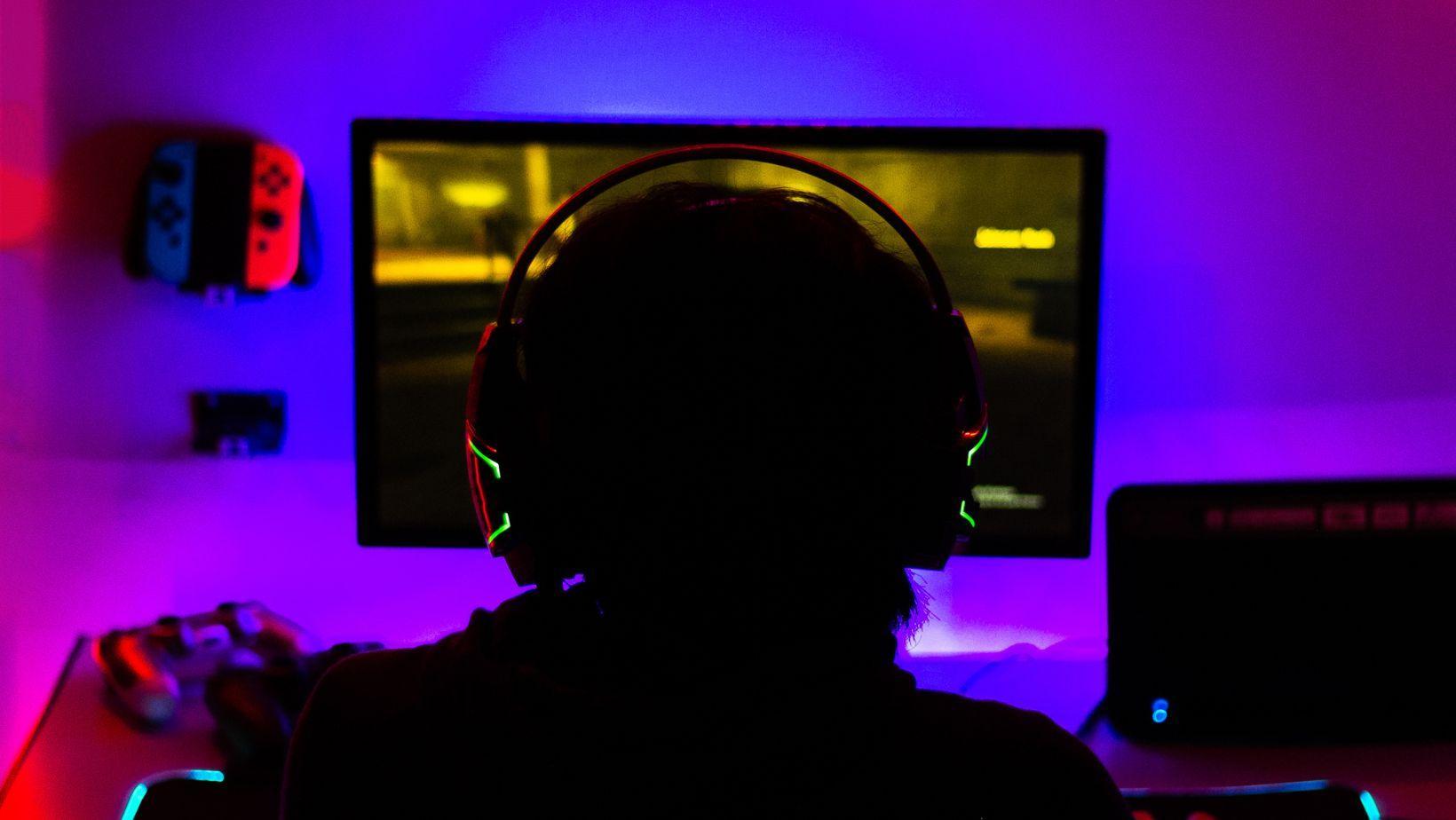
Entertainment spending becomes easier to assess when each purchase has a clear role in a personal plan. Gaming can fit that approach because a single title may return to the schedule across short breaks and longer leisure periods. That repeat use does not prove games cost less than every hobby, but it gives buyers a concrete way to judge enjoyment against their own spending.
The Consumer Financial Protection Bureau recommends recording income and spending, placing entertainment in its own category, and updating a working budget as habits change. A fixed monthly or quarterly allowance turns that advice into a boundary. Within it, Eneba – Visa e-gift card online can serve as a planned payment option rather than an expense added outside the entertainment plan.


In 2024, the Bureau of Labor Statistics reported average U.S. consumer-unit entertainment spending of $3,609, or 4.6% of total annual expenditures. It is broad context, not a gaming benchmark: the category includes fees and admissions, pets, toys, hobbies, equipment, electronic video games, and other services. Those groupings cannot establish that gaming is more affordable than fitness, crafts, collecting, travel, or any other hobby.
Repeat use supports clearer planning
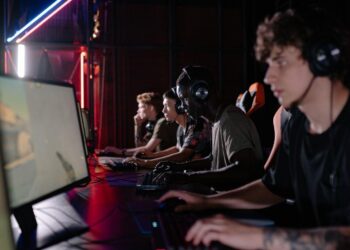
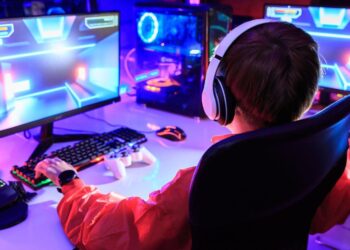
Readers often compare hobbies through the sticker price alone. A more useful comparison also considers how frequently an activity can be revisited without another admission or a fresh purchase tied to participation. A game can fill a spare half hour one day and a free evening another day, so the same purchase can suit changing schedules. This is a scheduling observation, not a measured claim about cost per hour.
Upfront cost is only part of the picture. Hardware, subscriptions, accessories, downloadable content, and optional purchases can all draw from the entertainment ceiling. Reserve part of the allowance for gaming, then compare actual spending with play frequency before a new purchase to keep the whole commitment visible.
Gaming also has a defined place in leisure. In the Entertainment Software Association’s 2024 U.S. data, 61% of Americans ages 5 to 90 played video games for at least one hour weekly, or about 190.6 million people. The same data found 68% played to pass the time or relax and 67% played for fun, which supports treating it as a recurring leisure activity.
Purchase details keep the plan focused
Payment choices belong inside the same budget boundary. The marketplace’s broad catalogue of gift cards and other digital products reflects the article’s central market point: entertainment planning can cover more than direct game purchases. A buyer can decide in advance how much of the allowance to allocate. The point is not to treat a prepaid option as automatic control over spending; the full entertainment plan still sets the limit.
Gift-card buying on Eneba is safer when buyers use the listing information as part of a normal smart-shopping routine. The digital marketplace has verified merchants, and its product pages display region information alongside other listing details. Matching the selected product’s region with the intended account helps buyers choose the right item before purchase. That clarity supports access to legitimate digital products within a planned entertainment purchase.
Repeat enjoyment and flexible sessions are useful budgeting inputs, not a promise of universal savings. A clear allowance, a full view of ongoing costs, and regular review of use give gaming a measured place beside other entertainment choices. The marketplace fits that approach when its product and region details are matched to the intended account and the purchase stays within the amount already set aside.