
Every CS2 player knows this moment. You swing a corner, your crosshair snaps perfectly onto the enemy’s head, you click—and for a split second, reality hangs in the balance. Hit or miss. Win or lose. In that microscopic gap between action and outcome lives one of Counter-Strike 2’s most debated innovations: the subtick system.
Years after its introduction, subtick is no longer “new.” It’s just there. Quiet. Invisible. And still shaping every duel, every clutch, and every highlight clip in 2026.


While discussions around graphics, ranking tweaks, and even cs2 skins tend to dominate community chatter, subtick remains one of the most consequential systems under the hood. Not flashy—but foundational.
What Subtick Really Changed (Without the Marketing Layer)
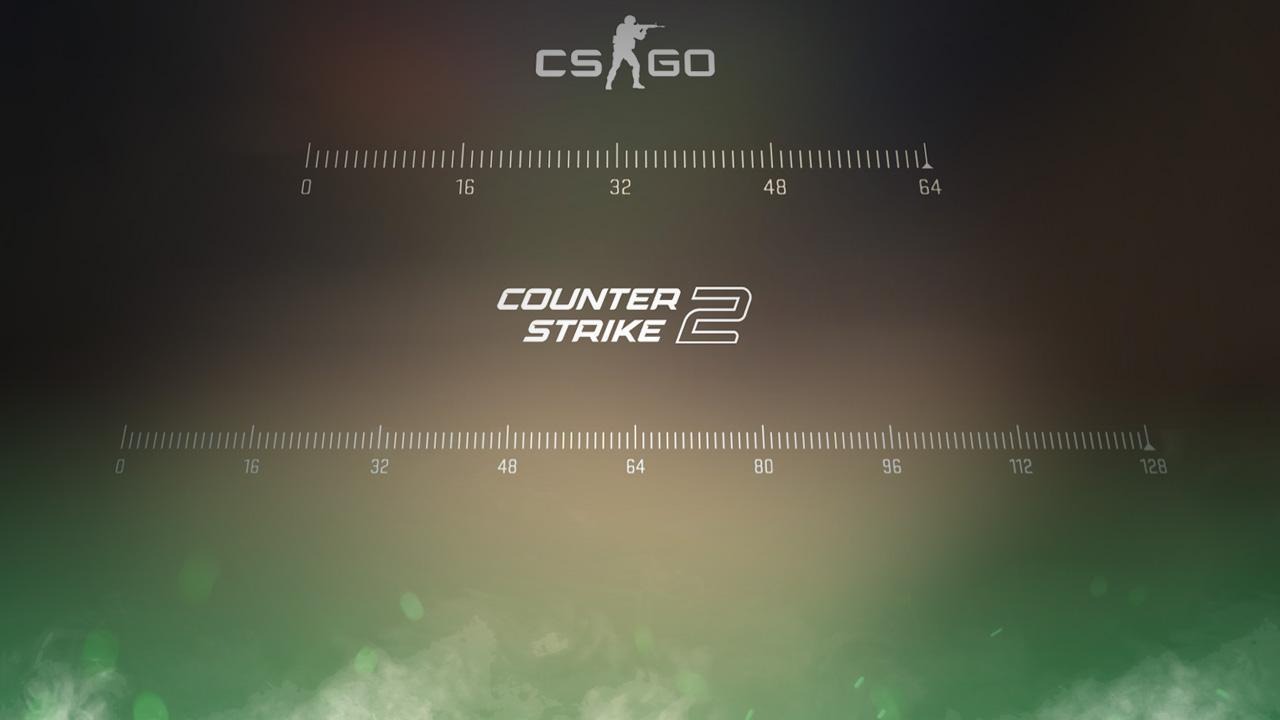
Before subtick, Counter-Strike lived on fixed tick intervals. Actions were processed in discrete slices of time. You fired between ticks? The server rounded it. Sometimes in your favor. Sometimes not.
Subtick changed the logic.
Instead of asking “what happened this tick?” the game now asks “when exactly did this happen?” Every shot, movement, and input is timestamped with far greater precision, then resolved accordingly.
The result isn’t magic accuracy. It’s consistency.
- Shots register based on real input timing
- Movement feels less bound to artificial intervals
- Edge cases become rarer—even if never eliminated
You don’t always feel subtick when it works. You only feel it when it doesn’t—and that’s precisely the point.
Why It Still Matters in 2026
If subtick were just a technical footnote, it would’ve faded into the background by now. Instead, it remains deeply relevant for one reason: skill expression.
As the CS2 player base matured, mechanical ceilings rose. Crosshair placement tightened. Reaction times compressed. The margin for error shrank.
In that environment, systems that reduce randomness matter more—not less.
Subtick ensures that:
- Faster reactions are actually rewarded
- Micro-adjustments register when they should
- High-level play feels deterministic instead of arbitrary
At pro and semi-pro levels, this consistency compounds. It’s the difference between a system you adapt around and one you can trust into.
Subtick and the “Feel” Debate
Critics often argue that subtick “feels worse” than classic tick systems. But here’s the uncomfortable truth: feel is subjective, consistency is not.
What many players describe as “off” usually comes from one of three places:
- Muscle memory built on older timing assumptions
- Network conditions unrelated to subtick
- Expectation mismatch between visual feedback and server resolution
Over time, the player base adjusted. Not consciously—but instinctively. By 2026, most competitive players operate within subtick logic without thinking about it.
The system didn’t break the feel of CS. It forced players to recalibrate their intuition—and then rewarded them for it.
Why Subtick Enables a Healthier Competitive Ecosystem
One underrated effect of subtick is how it reinforces trust.
In older systems, controversial moments often sparked endless debates:
- “That should’ve hit”
- “That was on my screen”
- “The server robbed me”
While those moments still exist, subtick narrows the gray area. Actions resolve based on timing, not interpretation. That clarity matters—not just for players, but for spectators, analysts, and tournament integrity.
When a clutch happens now, it feels earned. When someone whiffs, it feels owned.
That psychological clarity keeps competitive ecosystems stable. And stability is why CS outlives trends.
The Unexpected Connection Between Subtick and Skins
At first glance, subtick and cosmetics live in different worlds. One is pure engineering. The other is expression.
But they intersect in a subtle way: confidence.
When players trust the game’s mechanics, they invest more—emotionally and economically. That’s why players who obsess over timing and precision are often the same ones who care deeply about their loadout, whether that’s a perfectly worn rifle or an iconic all butterfly knife animation during downtime.
Subtick reinforces the idea that what you do matters more than what you own. And paradoxically, that makes ownership feel more meaningful.
Why Other Shooters Still Struggle Here
Many shooters chase responsiveness by masking delay with animation tricks or client-side forgiveness. It feels good—until it doesn’t.
CS2 took the harder path:
- Expose precision instead of hiding it
- Let players feel mistakes
- Let mastery show
Subtick isn’t about making everyone happy. It’s about making outcomes fair.
That philosophy explains why CS remains the benchmark for competitive integrity while others oscillate between accessibility and chaos.
Looking Forward: Subtick as a Long-Term Bet
By 2026, it’s clear that subtick wasn’t a temporary experiment. It was infrastructure.
Future updates may refine it. Hardware improvements may amplify it. But the core idea—resolving actions by when they happen, not which tick—is here to stay.
And that’s why subtick still matters:
- It scales with player skill
- It rewards mastery over randomness
- It reinforces trust in outcomes
CS2 didn’t just modernize Counter-Strike. It future-proofed it.
Final Thought
Subtick doesn’t win rounds for you. It doesn’t boost aim. It doesn’t forgive mistakes.
What it does is far more important: it makes every action count exactly when you make it. In a game where milliseconds define legends, that precision isn’t optional—it’s essential.
In 2026, CS2’s subtick system isn’t a feature anymore.
It’s the backbone of why Counter-Strike still feels uncompromising, honest, and worth mastering.
Banner image: