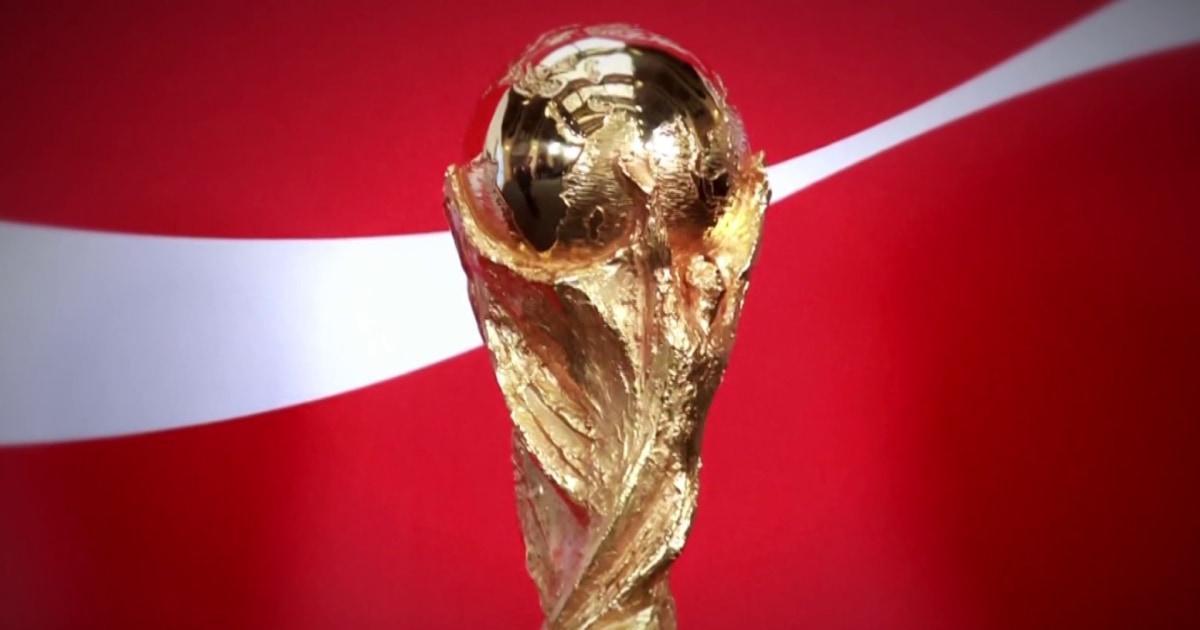
There is really no contest when it comes to the World Cup and any other sports competition. The global audience is measured in billions, not millions. You might try to compare it to the Super Bowl – bigger in the United States, sure – but it’s just so much bigger on a global scale.
Television viewing is, of course, the most common way fans engage with the tournament outside of actually heading to the games, but it is just one element out of many. Indeed, it feels like the World Cup is the most gamified tournament on earth.

What do we mean by gamified? Well, it’s basically the idea that people engage with the competition indirectly. A good example is the World Cup sweepstake. It is often used for the purposes of charity fundraising or employee team-building.
Sweepstakes are hugely popular
The idea of a sweepstake is simple: People usually pay an entry fee and draw a team out of a (proverbial) hat. If the team wins the tournament, they win the prize. Of course, everyone takes their own spin on it, and there are often wooden spoon prizes for the worst team and so on.
Sports betting is most certainly a way of engaging with the tournament, and again we are talking about something that eclipses the Super Bowl on a global scale. As you might imagine, billions of dollars in wagers will be made before and during the tournament.
Sports betting platforms focus on the World Cup
In fact, World Cup betting sites tend to be gamified themselves, with extra promotions and special betting markets for the tournament. 100s of betting markets are usually on offer. Some platforms even create dedicated World Cup mini sites.
Fantasy World Cup is huge, too. It broadly follows the same rules as any fantasy league or DFS competition, with the simple exception that it is condensed into the 4-5 weeks of the tournament.
<iframe width=”560″ height=”315″ src=”https://www.youtube.com/embed/EOp7kpK8A7w?si=Q8vuMigHxlmo5cNK” title=”YouTube video player” frameborder=”0″ allow=”accelerometer; autoplay; clipboard-write; encrypted-media; gyroscope; picture-in-picture; web-share” referrerpolicy=”strict-origin-when-cross-origin” allowfullscreen></iframe>
FIFA runs its own Fantasy World Cup tournament, though there are other options, including private mini leagues among fans. There are actually loads of apps these days that facilitate the creation of fantasy sports leagues and, indeed, private sweepstakes.
You will also find loads and loads of prediction games. Often these are facilitated by media companies, including television broadcasters that are showing the games. At times, sports betting platforms will offer their own prediction games, which are often free to play.
Prediction games can be difficult, because you are often tasked with predicting the entire tournament or the scores in a handful of matches, or something the winners of each group. The permutations make it a statistical nightmare. On the plus side, the prizes can be huge, sometimes reaching $1 million.
Prediction markets are booming
Finally, we should note that this is the first World Cup to be held since the boom in prediction market platforms. Big sports betting and DFS brands like DraftKings have launched their own prediction markets with a big focus on sports. They basically transform sports betting into trading, but it works the same way, more or less.
Those are just some of the ways that the World Cup is gamified, but it only scratches the surface. When you factor in platforms like social media, where World Cup content is off the charts, you can see loads more instances where people gamify the biggest sports tournament on earth.