

Pick up a scratch-off ticket and most people head straight for the play area. Scratch, check, move on. But every ticket carries a lot more information than the play zone — and reading it before you scratch, or even before you buy, gives you a clearer picture of what you’re actually playing.
Here’s a breakdown of what’s printed on a scratch-off and what each part tells you.


The play area
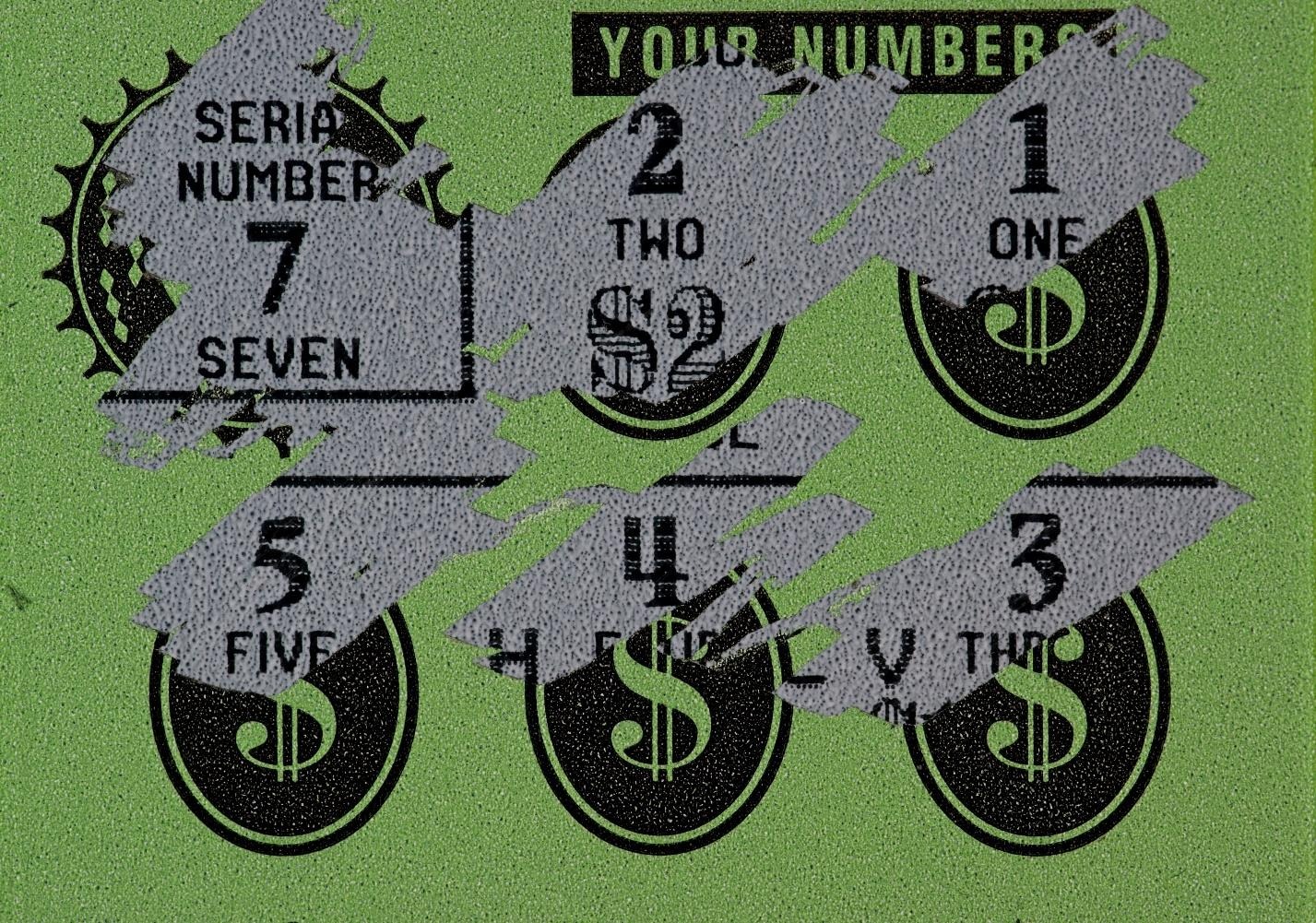
The scratch zone is the most visible part of the ticket. Depending on the game, there may be one section or several. Some tickets — particularly at higher price points — have multiple play areas built into the layout, each with its own rules. The instructions printed on the ticket explain how each section works and what counts as a win.
This is the part most players focus on. But it’s the back of the ticket, and the smaller print around the edges, where the more useful information lives.
The prize table
Every scratch-off has a prize table, usually on the back. It lists all the prize tiers available in that game, from the lowest cash amount to the top prize.
Reading this before you play tells you the full structure of the game. Some tickets have a handful of prize levels; others have many. Higher-priced tickets tend to carry larger top prizes and broader prize structures. Lower-priced tickets are simpler, with smaller prizes and fewer tiers.
The prize table also lets you understand what you’re realistically playing for. A $5 ticket and a $20 ticket from the same lottery aren’t just different in cost – the entire prize architecture is different.
The odds
Printed alongside the prize table, you’ll find the odds. This figure represents the statistical likelihood that any given ticket in that print run is a winner. It’s usually shown as something like “overall odds of winning: 1 in 4.5.”
A few things are worth understanding here. Much like RNG systems in online games, each scratch-off outcome is set at the point of printing, not at the point of scratching. The odds reflect the whole print run, not the specific ticket you’re holding. They don’t shift based on when or where you buy, and past results from other tickets have no effect on yours.
It’s also worth noting that overall odds cover all prize tiers. A game with favorable overall odds might still have very few top prizes remaining. For that, you need to check remaining prizes separately.
Higher-priced tickets offer bigger potential prizes, but that doesn’t translate to better odds. Each game has its own structure, and two tickets at the same price point can have meaningfully different odds. The only way to know is to read the ticket.
Checking remaining prizes
Most state lotteries, including the West Virginia Lottery, publish updated prize information online. As tickets are sold and prizes are claimed, the remaining prize count updates. You can see how many top prizes are still available in a given game before you buy.
This is particularly useful for higher-priced tickets. If a $30 game has already had its top prize claimed, that changes the picture. It takes a couple of minutes to check, and it’s the most useful piece of information you can look up before spending on a higher-tier ticket.
The barcode and serial number
Every ticket has a barcode and a serial number. The barcode is read by retailer terminals or lottery app scanners to validate the ticket. The serial number is your proof of ownership. Sign the back of any winning ticket before you do anything else, since a physical ticket is typically treated as a bearer instrument.
Many lottery apps also include a separate QR code or barcode specifically for loyalty programs. The West Virginia Lottery’s iPLAY app, for example, lets you scan scratch offs and draw game tickets to earn PlayON reward points regardless of whether the ticket won. These are two distinct functions — validation and rewards — and they use different codes on the ticket.
Claiming a prize
Prize claim rules vary by lottery, but the general structure is consistent. Smaller prizes, typically up to $600, can be claimed at a licensed retailer. Larger prizes require an in-person visit to lottery headquarters or a regional office, or a claim by mail with valid ID.
There’s also a claim deadline. Scratch-off prizes expire a set number of days after the game’s official end date, not the date of purchase. If you find an old ticket, check the game status on your state lottery’s website before assuming it’s too late.
Scratch-offs are games of chance. No outcome is guaranteed. Set a budget before you play, and if you need support, call 1-800-GAMBLER.