

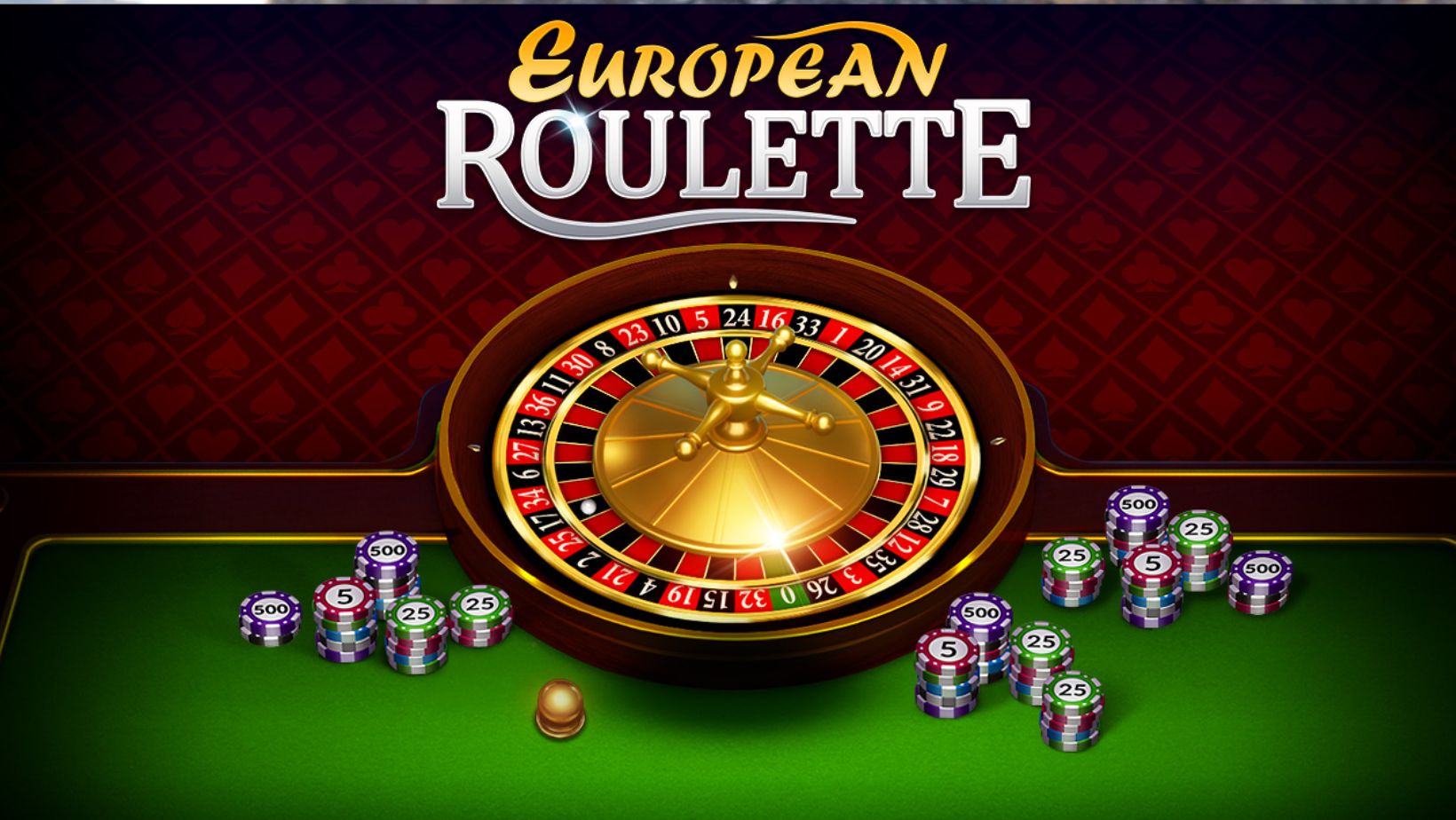
Roulette looks simple at first. A wheel spins, a ball drops, and players wait. But the version on the table changes a lot more than many people expect.
European Roulette is often treated as the “standard” version in many online and land-based casinos. That seems fair. It has a clean wheel layout, a lower house edge than some alternatives, and rules that are easy to follow even for new players.


So what actually makes it different? Is it only the single zero, or is there more going on? The short answer is yes, there is more – and those details can change risk, payouts, and how long a bankroll might last.
For players comparing options, BetFury lists Roulette games across formats, and that makes it easier to see how rule differences can affect the same basic bet types.
European Roulette Basics And Why It Matters
European Roulette uses a wheel with 37 pockets. They are numbered 1 to 36, plus a single zero (0). That one detail drives the math behind the game.
The table layout supports inside bets (like straight-up, split, and street bets) and outside bets (like red/black, odd/even, and high/low). The payout structure usually matches what most players already know, which is why European Roulette feels familiar fast.
But the key point isn’t style. It’s probability. With 37 pockets, each straight-up number has a 1 in 37 chance of hitting, or about 2.70 percent. The payout is 35 to 1, which creates the built-in casino edge.
That house edge in standard European Roulette is 2.70 percent. In practical terms, that means the theoretical average loss is EUR 2.70 per EUR 100 wagered over a very large number of spins. Not every session, of course. Short sessions can swing hard in either direction. That’s roulette.
European Roulette Vs Other Roulette Variants
The biggest differences show up in wheel design, zero count, and special rules. Some variants look nearly identical but produce very different outcomes over time.
Quick Comparison Table Of Major Roulette Variants
| Variant | Pockets | Zero Layout | Typical House Edge | Key Difference |
| European Roulette | 37 | Single zero (0) | 2.70% | Most common baseline version |
| American Roulette | 38 | 0 and 00 | 5.26% | Extra double zero increases edge |
| French Roulette | 37 | Single zero (0) | 2.70% (can drop on even-money bets with rules) | Often includes “La Partage” or “En Prison” |
| Mini Roulette | 13 | 0 to 12 | 0 only | House edge varies by rules and payouts |
| Triple Zero Roulette | 39 | 0, 00, and 000 | 7.69% | Highest edge among common mainstream variants |
That table shows the big picture fast. Same game idea, very different math.
And yes, the jump from 2.70 percent to 5.26 percent may look small on paper. It isn’t. Over many spins, it changes expected losses a lot.
The Single Zero Difference And The Math Behind It
European Roulette’s main edge over American Roulette is the missing double zero. That’s it. One pocket. Huge effect.
Here is the math in plain terms. On an even-money bet like red/black, a European wheel gives 18 winning pockets, 18 losing pockets, and 1 zero pocket. So the win chance is 18 out of 37, or about 48.65 percent. The loss chance (including zero) is 19 out of 37, or about 51.35 percent.
On an American wheel, the same bet has 18 winning pockets, 18 losing pockets, and 2 green pockets (0 and 00). The win chance drops to 18 out of 38, or about 47.37 percent. That difference seems small in one spin. Over 1,000 spins, it adds up fast.

For expected loss per EUR 100 wagered:
- European Roulette: about EUR 2.70
- American Roulette: about EUR 5.26
- Triple Zero Roulette: about EUR 7.69
So, what does that mean in session terms? If two players each wager EUR 1,000 total over time, the theoretical loss is about EUR 27 on European Roulette and about EUR 52.60 on American Roulette. Variance can change real outcomes, sure, but the gap in expected cost is real.
Rule Differences That Can Change Real Value
Not every roulette variant is only about wheel pockets. Some versions add player-friendly rules, especially on even-money bets.
European Roulette Usually Keeps The Core Rules Simple
Most European Roulette tables use standard rules without extra protection on zero. If a player bets black and the ball lands on 0, the bet loses. Clear and simple.
That simplicity has a benefit. New players learn faster, and they don’t have to remember exceptions. But it also means there is no built-in zero relief unless the game specifically adds it.
French Roulette Can Be Better On Even-Money Bets
French Roulette often uses the same 37-pocket wheel as European Roulette, but it may include:
- “La Partage” (half the even-money bet is returned if 0 lands)
- “En Prison” (the even-money bet is held for the next spin after 0)
With “La Partage,” the house edge on eligible even-money bets drops from 2.70 percent to 1.35 percent. That’s a meaningful improvement for players who stick to red/black, odd/even, or high/low.
And that’s where some people get confused. French Roulette and European Roulette can share the same wheel but still offer different value because of table rules. Same pockets, different player cost on certain bets.
Payouts Look Similar, But The Risk Profile Changes
Most roulette variants keep the same classic payout chart for standard bets. A straight-up bet still commonly pays 35 to 1, a split 17 to 1, and a dozen 2 to 1.
But identical payouts don’t mean identical fairness. Why? Because the probability changes when extra zero pockets are added.
For example, a straight-up bet on any single number:
- European Roulette chance: 1 out of 37 (2.70 percent)
- American Roulette chance: 1 out of 38 (2.63 percent)
- Triple Zero Roulette chance: 1 out of 39 (2.56 percent)
The payout stays 35 to 1 in many versions. The chance gets worse. That’s the whole issue.
This is also why experienced players often compare roulette games by house edge first, not by visuals or side features. The wheel design tells the real story.
How European Roulette Feels Different In Practice
European Roulette often feels “smoother” for casual players because bankrolls can last longer on average than in American or triple zero versions. Not always. But often enough that regular players notice it.
A session with many even-money bets can still swing wildly. Ten losses in a row can happen. Twenty red/black results can cluster in ways that feel strange. Roulette doesn’t “owe” a result, and the wheel has no memory.
Still, lower house edge matters over repeated play. It gives players more spins per bankroll in many cases, which some people prefer for entertainment value. Others chase bigger volatility and don’t care much about the extra cost.
Common Player Misreads When Comparing Variants
A few mistakes show up again and again:
- Assuming all roulette tables have the same odds because the bet names match
- Focusing on lucky streaks and ignoring the zero structure
- Believing a betting system removes the house edge
- Missing special rules that improve or worsen even-money bets
That last point matters a lot online. Two tables can both say “European Roulette,” but one might include a side bet or rule tweak that changes pacing and cost. Reading the paytable and rules page isn’t exciting, but it helps.
Which Players Usually Prefer European Roulette
European Roulette is often the default recommendation for a broad audience because it balances simplicity and value. New players can learn it fast, and regular players usually like the lower edge compared with American Roulette.
It also works well for players who want flexible bet sizing. Small outside bets, mixed inside bets, and slower bankroll use can fit the same table. No complicated format needed.
But preferences vary. Some players enjoy the visual style and table culture of French Roulette. Some play American Roulette because it’s the main option in certain places, or because they simply like it. That’s normal. The point is knowing the tradeoff before the first spin.
And one more thing. If a player is testing strategies, European Roulette is often the cleaner reference point because the math is widely understood and the 2.70 percent edge is easy to compare against.
What To Check Before Choosing A Roulette Table
A quick checklist can save money and confusion. Seriously.
Look at:
- Number of zero pockets (0, 00, or 000)
- House edge shown in rules (if listed)
- Even-money zero rules (“La Partage” or “En Prison”)
- Minimum and maximum bet limits
Why start here? Because these details affect expected cost more than animation style, dealer voice, or interface layout. A nice table is nice, sure, but the wheel math is what follows the player across every spin.Players who want a side-by-side explanation can also read American vs European for a focused comparison.