
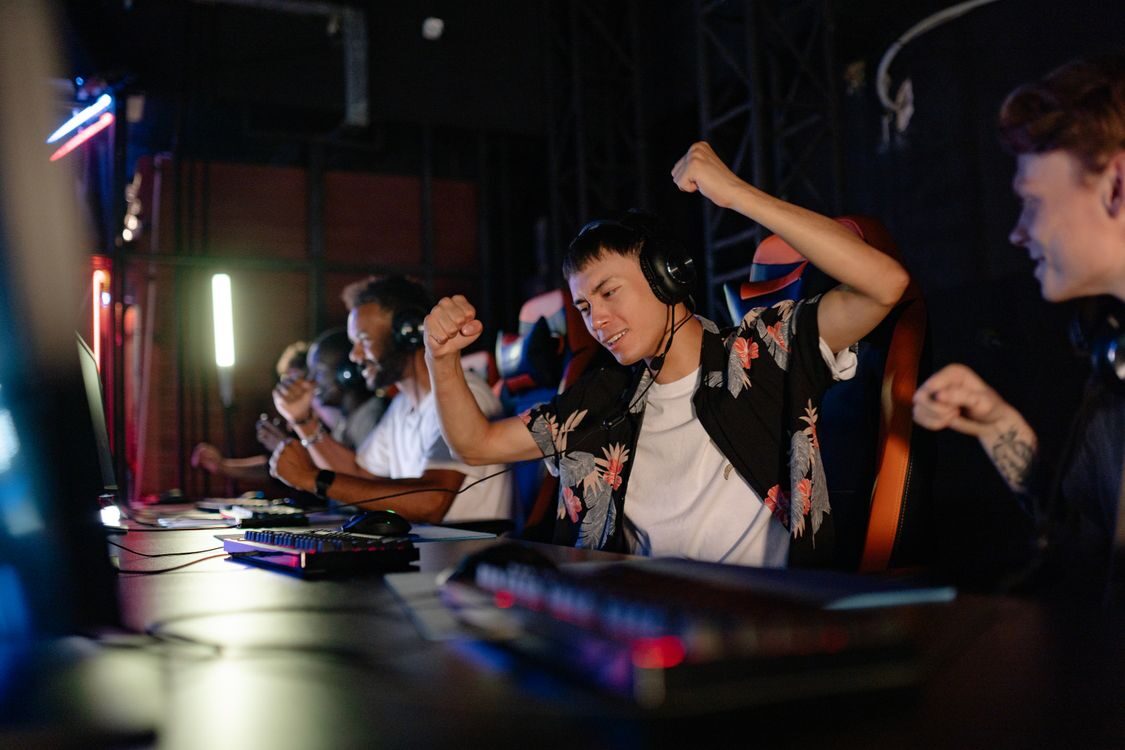
Hybrid gaming tournaments blend in-person competition with a live-streamed online experience, so players battle on-site while remote audiences watch, comment, and interact in real time. Sounds simple, but one weak cable or unstable stream can throw the whole event off.
Running a smooth hybrid setup means every layer of tech gets tested before the first match begins.


1. Network Infrastructure
Online viewers expect zero buffering, and players expect zero lag. Hybrid gaming tournaments demand dedicated bandwidth for gameplay, streaming, and audience engagement tools all at once.
Hybrid event infrastructure and IP-based AV systems are becoming mainstream. For you, that means a basic venue WiFi network is not enough. A dedicated wired backbone, segmented VLANs, and a backup ISP should all be tested before doors open.
What to Confirm Before Game Day
Every tournament should complete a structured network check that includes:
- Dedicated upload and download bandwidth for streaming
- Hardwired player stations with cable redundancy
- Backup internet failover tested under load
Each test should simulate real match conditions, not just idle traffic.
2. Broadcast-Readiness
Hybrid gaming tournaments are as much about the broadcast as the bracket. A choppy camera cut or delayed replay can instantly hurt credibility.
Coverage from TV Technology highlights how software-centric switchers now power hybrid productions, blending on-site and remote sources in one control environment.
For tournament organizers, that means confirming your switcher supports multi-camera gameplay capture, player cams, instant replay, and remote casters without overloading the system.
Cloud and on-prem workflows are often combined. A proper tech check includes syncing overlays, testing latency between in-venue screens and the livestream, and confirming that graphics render correctly across all outputs.
3. Clear Audio Capture
Advanced directional audio and beamforming tools are becoming common in hybrid events. In a gaming tournament, that translates into isolating player comms, caster commentary, and crowd reactions without cross-bleed.
A full rehearsal should include headset checks, noise suppression testing, and gain staging at peak crowd volume.
Local production teams often rely on experienced crews like Audio Visual Nations’ audio visual labor in Los Angeles to handle audio and visual requirements, so nothing slips through the cracks.
4. Immersive Stage and Display Systems
Hybrid gaming tournaments must impress both the live crowd and the online audience. Stage lighting and LED displays need to look sharp on camera, not just in person.
A trends report from Corporate Meetings Network notes that immersive technology integration continues to reshape live production. For you, that means confirming refresh rates on LED walls match broadcast standards and ensuring player screens do not flicker on camera.
Run camera tests with actual gameplay, not test slides. Verify sponsor graphics scale correctly on both the arena screens and the livestream feed.
5. Engagement Tools and Platform Integration
Online viewers expect chat moderation, live polls, and seamless bracket updates. So, event planners are prioritizing integrated tech stacks to reduce friction and improve attendee satisfaction.
Applied to gaming tournaments, that means confirming your streaming platform, scoring software, and event app all sync correctly before the first round.
Test live score updates, moderation tools, and API connections between tournament software and broadcast overlays. A mismatch between what the crowd sees and what the stream shows can cause confusion fast.
Making Every Tech Check Count
Hybrid gaming tournaments succeed when every cable, console, and control surface is tested under real conditions. Network stability, broadcast switching, clean audio, immersive visuals, and integrated engagement tools all need equal attention.
Has this article been useful? If so, be sure to explore some of our other related content!