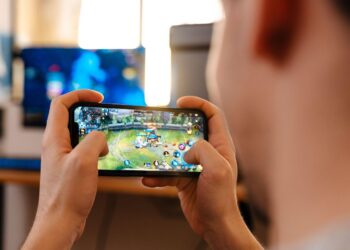

The games industry is a part of the daily routine for a lot of people. Newzoo estimated the global games market at $188.8 billion in 2025, with 3.6 billion players worldwide. That number tells its own story. People play on phones, consoles, browsers, tablets, handhelds, and work laptops that should probably contain fewer games than they do. The format has stretched because the audience has stretched with it.
That change has also made gaming harder to define in a tidy way. A player might spend ten minutes on a mobile puzzle, an hour in a co-op shooter, and another half-hour watching a streamer explain a patch note with the seriousness of a budget speech. The Entertainment Software Association’s 2025 report said 60 per cent of American adults play video games every week, with an average player age of 36. Gaming now belongs to families, commuters, students, parents, and older adults who know exactly what they like.


Comparison tools have become useful because digital play now includes more structured platforms than traditional video games alone. Casino.org helps Michigan users review licensed sites, offers, payment details, and platform features in one place, so readers looking for the perfect Michigan online casinos can assess that part of interactive entertainment with a clearer view of how the service works. A good comparison page saves users from opening ten tabs, squinting at terms, and pretending that all bonus wording means the same thing.
Key Takeaways
- Online play now blends games, media, social features, and live updates.
- Players judge platforms by access, design, rules, and trust.
- Storytelling now stretches across seasons, adaptations, and shared online discussions.
- Simple mechanics still drive long-term engagement when players feel in control.
- Safety tools and clear terms now form part of the entertainment experience.
Online Play Has Become A Daily Habit
Games have moved into normal routines because they fit into smaller spaces of time. A match can fill a lunch break. A mobile session can sit between messages. A shared world can stay open for months, with players dropping in when they have time. That has changed how studios design, update, and sell games. A release now often marks the start of a service rather than the end of production.
This shift has made scale more important. Roblox reported 151.5 million daily active users and 39.6 billion hours engaged in the third quarter of 2025. Those figures show how a platform can become a place where users play, create, watch, and spend time with friends. The appeal comes from choice and return visits. People can move between games without leaving the platform, which makes the whole thing feel less like one product and more like a busy digital town with better moderation paperwork.
Games Now Work Across Screens
Modern gaming rarely stays on one device. A player might start on a console, check a guide on a phone, send a clip in a group chat, and watch a creator test the same update later that night. The game continues outside the game. That sounds simple, but it changes the job of every platform. Menus, accounts, payments, parental controls, and social tools all need to work cleanly across different screens.
The old review question asked whether a game was played well. The new question asks whether the whole experience behaves properly. Can users find friends quickly? Can parents set limits without reading a legal document? Can players understand what they’re buying? Can the app run without turning basic navigation into a small grievance? These details shape the entertainment as much as graphics or sound.
Story Has Become A Long-Term System
Storytelling now spreads across games, shows, updates, and fan discussions. A strong world can keep working long after its first release because players keep finding new routes into it. The Fallout television series gave a clear example. Variety reported in 2024 that Fallout 76 had reached 20 million players following renewed attention from the Prime Video adaptation. A TV show drew new people to the games, and older players had a reason to return.
That kind of movement rewards games with strong settings and usable systems. Players do more than consume a plot. They test builds, compare choices, share mistakes, and argue about lore with a level of confidence usually reserved for local planning disputes. The best worlds leave room for that behaviour. They give users enough structure to understand the place, then enough freedom to feel as though their own choices count.
Mechanics Have Become The Main Language
Mechanics explain a game faster than marketing ever can. Press a button, see a result, learn the rule, then try again. That loop sits under almost every successful interactive experience. It works in shooters, sports games, platformers, card games, casino-style products, and mobile puzzles. The user needs to understand what happened and why. Confusion can create a challenge, but unclear rules usually create irritation.
Minecraft still shows the value of direct mechanics. Mojang said in 2023 that it had sold more than 300 million copies, and the reason reaches beyond nostalgia. Players understand the basic actions quickly: break, place, build, and explore. The depth comes from what users do with those actions over time. Good design often looks almost modest at first. Then players spend hundreds of hours proving otherwise.
Live Engagement Has Changed The Pace
Real-time engagement has trained players to expect regular movement. Live events, seasonal updates, ranked modes, creator drops, and limited rewards all give people reasons to return. That can work well when the updates add value. It can also become tiring when a platform treats every week like a deadline. Players can tell the difference between useful freshness and a calendar full of chores with confetti on top.
The audience for game events now rivals mainstream entertainment moments. The Game Awards said its 2025 broadcast reached 171 million global livestreams, up 11 per cent from the previous year. That figure shows how gaming now includes the act of watching announcements, reacting in chat, and judging trailers together in real time. The event becomes part of play culture, even for people who never buy every game shown.