
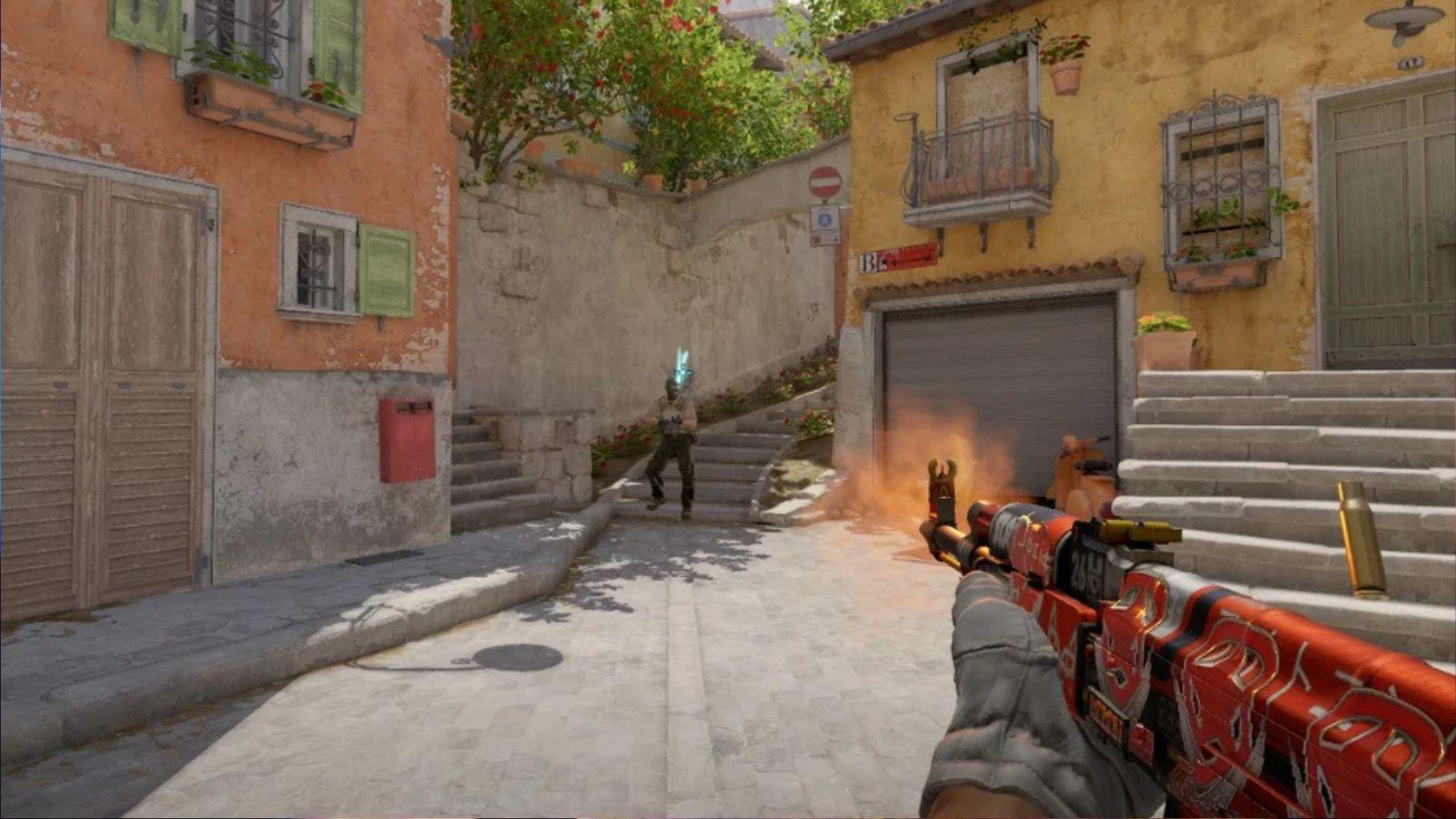
In the final round of a tight CS2 quarterfinal last fall, a player pulled out a knife none of his teammates owned. The crowd noticed before the casters did. The clip circulated online for days. Most viewers were watching the play. A subset of the community was watching the loadout.
CS2 skins are usually framed as a cosmetic concern. For pros, they sit closer to a uniform. A player’s choice of weapons, gloves, and stickers becomes a visual signature that often outlasts their career highlights.


A Loadout is Part of Identity
Spend a few hours watching pro CS2 and the same items keep showing up. Certain players have used the same AK pattern for five years. Others rotate but stay within a narrow color palette. The choices are rarely random.
Some of this is superstition. Players who clutch with a specific knife refuse to switch. Some of it is sponsorship: pros tied to skin marketplaces wear what their partners send them. Most of it is personal taste, expressed publicly because their first-person view gets broadcast every match.
Fans who track HLTV’s player profile pages can see how loadouts get archived next to match stats. Career-long appreciation patterns become part of how people remember a player.
Coverage on EsportNow’s CS2 skins page does similar work on the cosmetic side, documenting which weapons and stickers move in and out of pro rotations across the year. The market follows the visibility of pro use, and that visibility gets tracked methodically rather than left to memory.
Sticker Placement Says a lot
The sticker layer is where real expression happens. Capsule stickers from majors carry sentimental weight because they connect a weapon to a specific event. Autographed stickers from teammates work differently. Pros sometimes craft an entire team’s autographs onto a single AK as a tribute.
Pros split on whether to craft expensive stickers. Some refuse to apply anything over a certain market value. Scraping reduces resale, and most players treat their loadout like an asset they might need to sell one day. Others go the opposite direction and apply rare stickers as a flex. Either approach reads as intentional. Watching a teammate hand over their crafted weapon at a major is part of CS culture in a way newer esports do not have yet.
The Retired skin Afterlife
When a player retires, their signature loadout goes with them. The most famous skins from older players occasionally surface at charity auctions. Some end up in personal collections that never trade hands again. Others get broken up and sold piece by piece to fund post-career projects.
The community pays attention to these moments. A retiring veteran’s auction raises real money, sometimes six figures for a single knife. Steam Community Market price history makes the spike clear after the fact, but the buyers usually have a player association in mind that the raw market data does not capture.
This is closest to how collectible cards or vintage sneakers work. The object’s value ties to the human who owned it, not just its rarity stats. That layer of meaning is what separates the CS2 skin economy from games where cosmetics stay purely aesthetic.
Team-coordinated Loadouts
Some teams have started coordinating loadouts across their roster. Not the rifles – players keep individual preferences for those – but stickers and capsules. A roster signing the same major capsule and applying it to the same weapon family creates visual continuity that fans pick up on.
This is partly branding strategy from team management. Coordinated visual identity reads better in highlight reels and team photos. It is partly genuine team culture. Players who travel together for years develop shared tastes the way friend groups do. Watching a team’s loadouts evolve over a few years gives a small window into the internal dynamic.
Why Presentation Became part of the Spectacle
The line between performance and presentation has been thin in CS for a while. What changed is how visible the presentation became. Streaming, broadcast overlays, and player social media turned loadouts into part of the spectacle. A pro’s choice of skins now sits inside the brand they spend a career building.
The skins are still cosmetic in any technical sense. They do not change weapon stats or gameplay outcomes. But asking a pro why their AK looks the way it does usually produces a longer answer than asking about their mouse or keyboard. That is not because the question is technical. It is because the answer involves who the player wants to be when the camera is on.