
Gaming upgrades can be exciting, but they can also become expensive very quickly. The problem is that many upgrades solve problems players do not actually have. A smarter approach starts with asking yourself: what is holding back your gaming experience right now?
A player who mostly enjoys strategy games, Minecraft, cozy games, older titles, or casual multiplayer does not need the same setup as someone playing demanding PC games at high frame rates. For example, when you check the casino bonuses in Andorra, you still compare what is useful to you instead of chasing the loudest offer, and gaming upgrades should be judged the same way. The right purchase is the one that fits your habits, your games, and your budget.


Start with the Games You Actually Play
Write down the games you play most often, not the games you imagine playing someday. A player who spends most evenings on Nintendo Switch, browser games, mobile games, or esports titles may not need an expensive PC upgrade. Many popular games are designed to run well on modest hardware because developers want large player bases.
Your upgrade should match the most common use case. If you play competitive shooters and your screen feels slow, a higher refresh rate monitor may help. When you play open-world games and wait through long loading screens, faster storage may matter more.
Separate Performance Problems from Comfort Problems
Players often blame hardware when the real issue is setup comfort. A game may feel tiring because your chair is poor, your monitor is too far away, your desk height is wrong, or your headset hurts after an hour. These problems do not require the newest console or graphics card.
Performance problems are easier to spot. Comfort problems show up as eye strain, hand pain, neck stiffness, messy cables, or fatigue. Spend money on the actual problem. A cheaper ergonomic fix can sometimes improve your play sessions more than a flashy tech upgrade.
Do Not Buy Based on Ratings Alone
Ratings, rankings, and review scores can be useful, but they are not personal buying instructions. A product can be highly rated and still be wrong for you. Some gear earns praise because it has premium features that many players will never use. Other products look less exciting but offer better value for everyday play.
A good review should tell you who the product is for, what it does well, what it does poorly, and whether the price makes sense. Pay attention to comments from people who play the same kinds of games you play. A racing wheel review from a sim racing fan is useful for racing games, but it says little about what a casual adventure game player needs.
Watch out for Collector Thinking
Gaming has its own version of collector pressure. Limited edition controllers, special console colors, rare accessories, branded keyboards, and themed headsets can feel more valuable than they really are.
Ask yourself whether you want the item because it improves play or because it feels rare. Scarcity can make people rush. A limited release may disappear, but that does not mean it belongs in your setup. If an item will sit on a shelf more than it will be used, call it what it is.
Compare Real Price Against Real Benefit
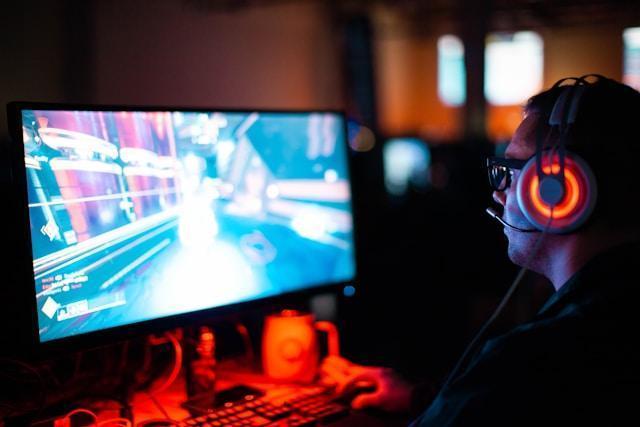
A useful upgrade has a clear benefit you can notice often. Extra storage is useful if you constantly delete games. A better controller is useful if your current one drifts or feels uncomfortable.
Be careful with upgrades that offer small gains at a high price. If your monitor is old, your internet is unstable, and your headset is broken, buying a premium keyboard first will not change much.
Set a Waiting Period Before Bigger Purchases
Impulse buying is one of the easiest ways to waste money. Give expensive upgrades a waiting period. During that time, track the problem you want to solve. If you still notice it often after a week or two, the upgrade may be worth considering. If you forget about it, you probably wanted the product more than you needed it.
Waiting also helps you avoid launch prices and marketing pressure. New gear often looks most tempting when videos, ads, and social posts are everywhere. After the excitement fades, real user feedback becomes easier to find, prices may settle, and better alternatives may appear.
Build a Setup Around Habits, Not Status
The best gaming setup is not the most expensive one. It is the one that lets you play comfortably, reliably, and without regret. Some players need high-performance gear. Others need simple, durable accessories and a clean space. Both choices are valid when they match the person using them.
Spend where you notice the difference. Skip upgrades that only look impressive in a photo. Gaming should feel better after you spend money, not just more expensive. When every purchase has a clear purpose, your setup improves slowly, sensibly, and in ways you can actually enjoy.