
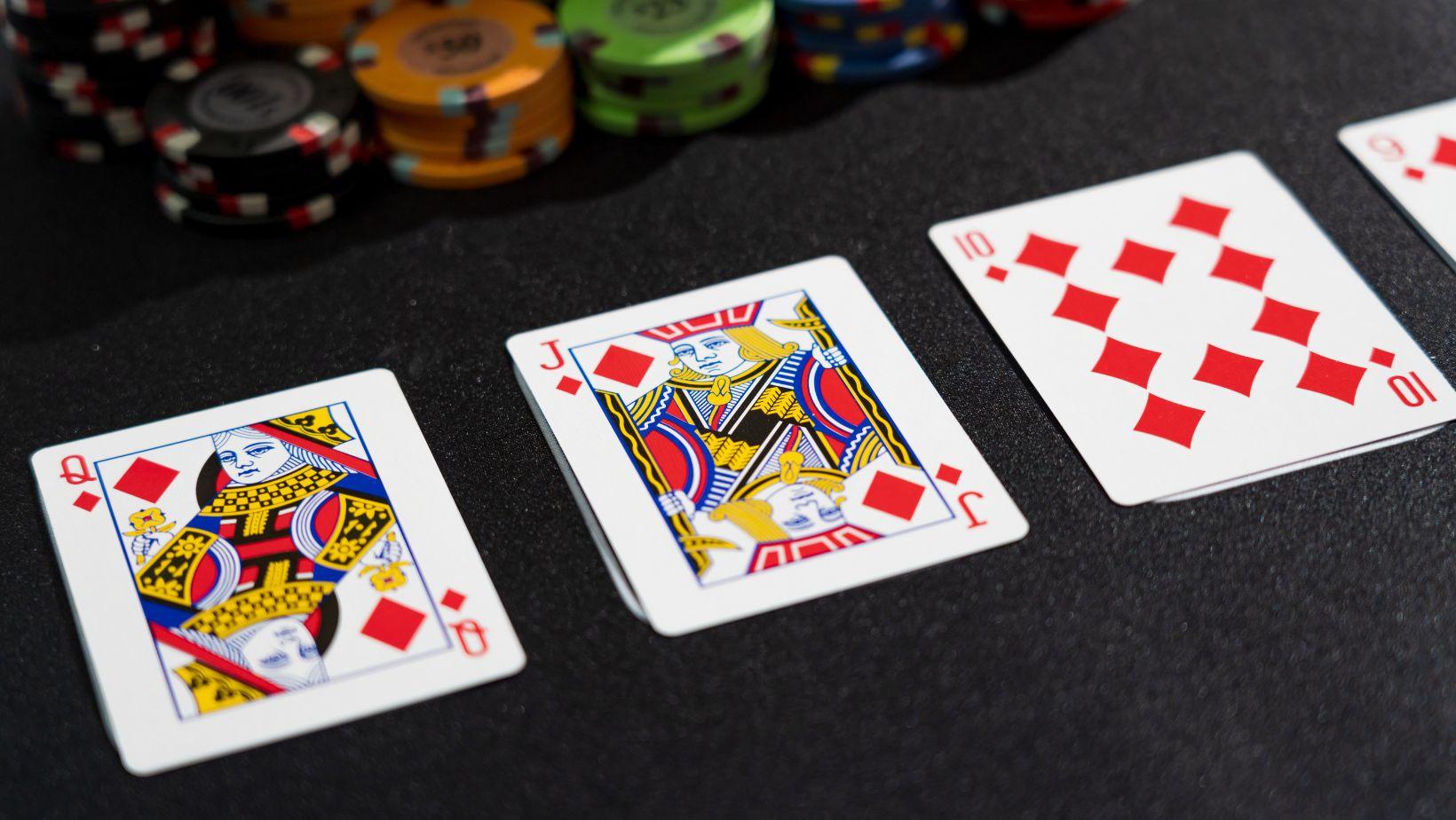
A smooth poker game depends on more than the cards dealt and the hands played. Clear rules, organized equipment, and consistent player habits prevent confusion and keep the game moving. Small details such as chip organization, table etiquette, and player coordination can make the difference between a disorganized game and an enjoyable one.
Millions of Americans play poker recreationally each year, according to the American Gaming Association. That popularity makes good game organization a meaningful part of the overall experience, not an afterthought.

Build a Consistent Game Structure
Players enjoy poker more when the game follows a predictable format. Changing rules or procedures mid-session often leads to disagreements and slows the action. A well-planned structure covers:
Consistency helps every decision feel fair from beginning to end. It also lets players concentrate on strategy instead of adapting to shifting expectations.
Set Up Chips for Easy Play
Betting should feel natural, not confusing. Players need to recognize chip denominations instantly, without stopping to ask questions or recalculate wagers.
Reviewing Poker Chip Values before the game begins makes it easier to choose a chip set everyone understands. This creates a common reference point that benefits first-time players and regulars alike. A practical chip setup includes:
Good organization speeds up betting throughout the game. It also makes payouts quicker and reduces avoidable mistakes.
Create a Comfortable Playing Area
The playing surface should support the game instead of competing for attention. A crowded table makes it harder to deal cards, manage chips, and follow the action. Keep the table limited to:
A clean layout improves visibility for everyone at the table. It also cuts down on the accidental interruptions that break the rhythm of play.
Encourage Good Table Habits
Poker runs best when every player respects the same basic standards. Simple habits improve fairness without requiring constant reminders from the host. Encourage players to:
These practices make each round easier to manage. They also create a more enjoyable experience for every player at the table.
Prepare New Players Before Play Begins
Explaining rules mid-hand slows the game for everyone. Giving new players a quick overview beforehand lets them join with more confidence. Helpful information includes:
A short introduction answers most common questions before they come up. New players settle in faster, and the game keeps moving without unplanned pauses.
Keep the Action Moving
A good pace keeps players engaged from the opening deal to the final hand. Long pauses between decisions can drain energy at the table, especially during longer sessions. Hosts can maintain momentum by:
Small adjustments keep a session flowing naturally. Players get through more hands and feel less rushed along the way.
Plan for Unexpected Situations
Even organized games occasionally run into unexpected issues. Deciding how to handle them ahead of time prevents unnecessary debate later. Prepare guidelines for:
Many hosts build their own guidelines around official tournament rulings, adapting them for casual home games. Clear procedures like these let players reach decisions quickly and keep minor problems from disrupting the game.
Small Preparations Lead to Better Poker Games
Well-run poker games rarely happen by chance. They come from thoughtful preparation, clear organization, and consistent expectations set before the first hand is dealt. Paying attention to these small details keeps the focus where it belongs: enjoying the game.
Did this breakdown of poker game essentials give you the practical tips you came looking for? For more game strategy guides, hosting tips, and player walkthroughs, check out the rest of our blog.